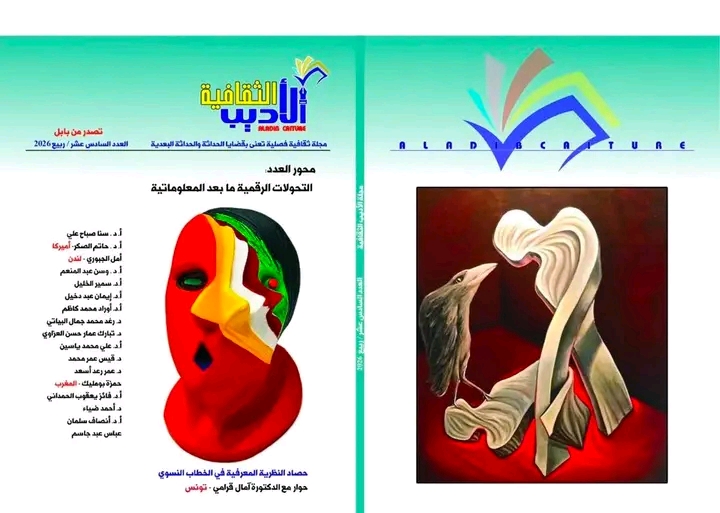
مقالي في العدد الجديد من مجلة الاديب الثقافية :-من أبي البركات البغدادي إلى فوكو… هل أزمتنا أزمة معرفة أم أزمة ضمير؟ أمل الجبوري * لم أقضِ أكثر من أربعة عقود في عالم الشعر والثقافة والبحث الأكاديمي من أجل أن أراكم الكتب أو المشاركات في المؤتمرات، بل لأفهم سؤالاً ظل يلاحقني منذ بداياتي الأولى: لماذا تتراجع الحضارات أخلاقياً قبل أن تتراجع معرفياً؟رافقتني هذه الحيرة في بغداد، ثم عبرت معي إلى المنافي. كنت أظن أن الانتقال من مجتمع عاش الاستبداد والحروب إلى مجتمعات ديمقراطية سيقدم إجابات شافية، لكنني اكتشفت أن الأسئلة تكبر كلما اتسعت الجغرافيا، وأن الانتقال من الشرق إلى الغرب لا يعني بالضرورة الانتقال من أزمة إلى يقين، بل من شكل من أشكال السلطة إلى شكل آخر أكثر نعومة وتعقيداً.في العراق، كنت أرى الحرية حلماً مؤجلاً. وفي المنفى، رأيت الحرية نفسها وهي تدخل أسواق العرض والطلب.وبين التجربتين بقي سؤال واحد يؤرقني:هل أزمة الثقافة هي أزمة معرفة، أم أزمة ضمير؟حين كانت الحرية غائبة، كتب كثير من أبناء جيلي، جيل الثمانينيات، تحت ظلال الخوف. وربما لذلك بقيت أستعيد مقولة أحد كبار الأدباء العالميين بأن الأدب الحقيقي يولد في زمن النكبات، لأن الإنسان لا يكتشف أعماقه إلا عندما تضيق به الحياة. لم تكن القصيدة آنذاك طريقاً إلى الشهرة أو المنصب، بل محاولة لإنقاذ الروح من الانكسار، وشهادة على زمن كان الكلام فيه فعلاً من أفعال الاحتجاج.والعراق، عبر تاريخه الطويل، يقدم مثالاً صارخاً على العلاقة المعقدة بين السياسة والثقافة. فمنذ حضارات وادي الرافدين، مروراً بالعصر العباسي، وصولاً إلى الأزمنة الحديثة، عرف هذا البلد دورات متعاقبة من الازدهار والانحدار. كانت المعرفة تزدهر حين تتسع مساحة العقل، ثم تنكمش حين ينتصر الخوف. ولم يكن الإبداع منفصلاً عن المناخ الأخلاقي للمجتمع؛ فحين تضعف الأخلاق العامة، لا تتراجع السياسة وحدها، بل يتراجع الشعر والفكر والفن أيضاً. ولعل أبا البركات البغدادي، أحد أكثر فلاسفة الحضارة الإسلامية أصالة، أدرك هذه الحقيقة قبل قرون. فقد رفض أن يكون العقل تابعاً للتقليد، ورأى أن المعرفة ليست ميراثاً يُسلَّم من السابق إلى اللاحق، بل تجربة نقدية حية، تبدأ بالسؤال ولا تنتهي عند سلطة أي مذهب أو فيلسوف. ولذلك بقي فكره عصياً على التصنيف، لأنه اختار استقلال العقل على راحة الاتباع. وربما لهذا يبدو أبو البركات أكثر معاصرة اليوم من كثير من مثقفينا الذين يخشون مراجعة أفكارهم إذا اقتربوا من دوائر النفوذ.لكن ما حيّرني أكثر لم يكن غياب الحرية، بل سلوك بعض المثقفين تجاهها. لماذا يتحول المثقف إلى أكثر المدافعين عن الحرية حين يكون خارج السلطة، ثم يصبح أكثر الصامتين عندما يقترب منها؟ أليس المبدأ هو المبدأ، سواء كان صاحبه معارضاً أم مسؤولاً؟ لقد تابعت، كما تابع غيري، التحولات التي شهدها العراق بعد عام 2003، ولم يكن أكثر ما آلمني تبدل الأنظمة السياسية، بل تبدل الخطاب الثقافي نفسه. وجدت بعض من كانوا يملؤون الدنيا حديثاً عن الحرية والعدالة وحقوق الإنسان يكتشفون فضيلة الصمت عندما أصبحت مصالحهم مرتبطة بالمؤسسة، أو الحزب، أو المنصب، أو التمويل.وهنا أتذكر عبد الرحمن الكواكبي، الذي لم يحصر الاستبداد في الحاكم وحده، بل رآه مناخاً يتسرب إلى النفوس، فيفسد الأخلاق قبل أن يفسد السياسة. فالاستبداد لا يصنع الخوف فقط، بل يصنع أيضاً التزلف والانتهازية والاعتياد على الصمت. ولذلك فإن سقوط النظام المستبد لا يعني بالضرورة سقوط ثقافة الاستبداد، لأنها قد تبقى كامنة في سلوك المثقف نفسه، فتجعله يعيد إنتاجها بأسماء جديدة وشعارات مختلفة.وهنا أدركت أن المشكلة ليست في المعرفة وحدها، بل في العلاقة الأخلاقية مع المعرفة.فالمثقف لا يفقد قيمته حين يخطئ، وإنما يفقدها حين يصبح ضميره قابلاً للتفاوض.وربما لهذا بدت لي تأملات حنة آرندت شديدة الأهمية حين تحدثت عن “تفاهة الشر”. فالشر، في كثير من الأحيان، لا يرتكبه الوحوش، بل أناس عاديون توقفوا عن مساءلة أنفسهم، واكتفوا بأداء الدور الذي تفرضه عليهم المؤسسة أو السلطة أو الجماعة. ومن هنا فإن أخطر ما يمكن أن يصيب المثقف ليس أن يخطئ، بل أن يفقد قدرته على مساءلة ضميره.وثمة سؤال آخر لا يقل إلحاحاً:متى تتحول الثقافة من رسالة إلى وسيلة للارتزاق الرمزي؟ليس في الدفاع عن حق الكاتب في العيش الكريم ما يثير الاعتراض. فالكتابة عمل، والكاتب إنسان له احتياجاته اليومية. لكن الفارق كبير بين أن يعيش الكاتب من إنتاجه، وأن يصبح إنتاجه خاضعاً بالكامل لمنطق السوق.في المنفى، رأيت وجهاً آخر لهذه الأزمة.رأيت كيف أصبحت المشاركة في كثير من الفعاليات، والنشر، والظهور الإعلامي، والقراءات الأدبية، تخضع أحياناً لقوانين التسويق أكثر مما تخضع لقيمة النص نفسه. لم يعد السؤال: ماذا كتبت؟ بل: كم تستطيع أن تدفع؟ أو كم تمتلك من شبكة علاقات قادرة على تسويق اسمك؟وهكذا دخل الأدب في منافسة لا تشبه طبيعته.فالقصيدة لا تُقاس بخوارزميات الانتشار، والرواية لا تُقاس بعدد الإعلانات الممولة، والبحث العلمي لا ينبغي أن يخضع لمنطق الأرباح والخسائر.ويزداد هذا القلق حين ننظر إلى الجامعات.لقد كان يُنظر إلى الجامعة، عبر قرون، بوصفها بيتاً للحقيقة، ومختبراً للأسئلة الكبرى، ومساحة مستقلة لإنتاج المعرفة. أما اليوم، فقد أصبحت كثير من الجامعات، في الشرق والغرب معاً، أسيرة مؤشرات الأداء، والتصنيفات، والتمويل، والمشروعات قصيرة الأمد.أصبحت العلوم الإنسانية نفسها مطالبة بأن تثبت جدواها الاقتصادية، وكأن قيمة الفلسفة تقاس بالعائد المالي، أو قيمة الشعر بعدد المستثمرين فيه.وقد وصف ميشيل فوكو جانباً من هذه الإشكالية حين بين أن المعرفة والسلطة ليستا عالمين منفصلين، بل إن كل سلطة تنتج خطابها المعرفي، كما أن كل معرفة تصبح، بدرجة ما، أداة من أدوات القوة. غير أن ما نشهده اليوم يتجاوز حتى ما وصفه فوكو؛ إذ لم تعد السلطة السياسية وحدها هي التي تنتج المعرفة، بل أصبحت السوق نفسها سلطة معرفية تحدد ما يستحق النشر، وما يستحق التمويل، وما ينبغي أن يبقى في الظل.إن ما يسمى اليوم بـ”اقتصاد الإبداع” يحمل في داخله مفارقة مؤلمة؛ فهو يرفع شعار دعم الثقافة، لكنه كثيراً ما يعاملها بوصفها سلعة قابلة للتسويق والاستهلاك. وحين تتحول المعرفة إلى منتج، يتحول الباحث إلى موظف، والجامعة إلى شركة، والمثقف إلى علامة تجارية.وهنا لا تموت الثقافة فجأة، بل تفقد رسالتها بالتدريج.ولا يقتصر الأمر على الجامعات.حتى معارض الكتب، التي كانت مواسم للاحتفاء بالفكر، أخذت تتحول في بعض الأحيان إلى مهرجانات استهلاكية تختلط فيها الكتب بالعروض التجارية والفعاليات الترفيهية، حتى يغدو الكاتب ضيفاً ثانوياً في مناسبة يفترض أنها قامت من أجله.ولست أرفض الموسيقى أو الفنون أو الأنشطة المصاحبة؛ فهي جزء أصيل من الحياة الثقافية. لكن السؤال هو: هل بقي الكتاب في مركز المشهد، أم أصبح مجرد ذريعة لمهرجان يبحث عن الرعاة وعدسات الكاميرات؟وقد كان أنطونيو غرامشي يتحدث عن “المثقف العضوي” بوصفه ذلك الذي ينتمي إلى قضايا مجتمعه، لا إلى امتيازات السلطة. أما اليوم، فإن السؤال يحتاج إلى إعادة صياغة: هل بقي المثقف عضوياً للمجتمع، أم أصبح عضوياً للمؤسسة، أو للحزب، أو للجهة المانحة، أو حتى لخوارزميات وسائل التواصل الاجتماعي؟إن تبدلت الجهة الراعية، فلا ينبغي أن تتبدل الوظيفة الأخلاقية للمثقف.لذلك لم أعد أعتقد أن أزمة الثقافة العربية هي أزمة معرفة فقط.فنحن لا نفتقر إلى الجامعات، ولا إلى الباحثين، ولا إلى الشعراء، ولا إلى دور النشر، ولا إلى المنصات الرقمية.ما نفتقر إليه، قبل ذلك كله، هو الشجاعة الأخلاقية.فالمعرفة تستطيع أن تُنتجها المؤسسات، أما الضمير فلا تنتجه إلا التربية الطويلة على الحرية، والاستقلال، والنزاهة، والقدرة على قول “لا” عندما يصبح الصمت أكثر ربحاً من الكلام.لقد علمتني سنوات المنفى أن الاستبداد ليس دائماً سياسياً، كما أن الحرية ليست دائماً أخلاقية. قد يعيش الإنسان في أكثر البلدان ديمقراطية، لكنه يبقى أسيراً للسوق، أو للممول، أو للشهرة، أو للخوف من خسارة الامتيازات.وهذه، في تقديري، صورة أخرى من صور الاستبداد.إن الثقافة لا تفقد رسالتها حين تختلف الآراء، بل حين يصبح الموقف الأخلاقي قابلاً للبيع والشراء، وحين يتحول الصمت إلى عملة، والكلمة إلى استثمار، والضمير إلى بند في عقد.ويبقى السؤال مفتوحاً أمام كل واحد منا، قبل أن نوجهه إلى الآخرين:هل ما نكتبه هو ما نؤمن به حقاً، أم ما يسمح لنا بالبقاء داخل الدائرة؟فالإجابة عن هذا السؤال هي التي ستحدد، ليس مستقبل الثقافة العربية وحدها، بل مستقبل الثقافة الإنسانية كلها؛ لأنها ستكشف إن كانت أزمتنا، في جوهرها، أزمة معرفة ام ازمة ضمير My new article has been published in the cultural journal Al-Adib al-Thaqafiyya.From Abū al-Barakāt al-Baghdādī to Foucault: Is Our Crisis One of Knowledge or of Conscience?Amal Al-Jubouri*I have not spent more than four decades in the worlds of poetry, culture, and academic research merely to accumulate books or add to a record of conference appearances. Rather, I have done so in pursuit of an answer to a question that has haunted me since my earliest beginnings: Why do civilisations decline morally before they decline intellectually?This perplexity accompanied me in Baghdad and followed me into exile. I once believed that moving from a society shaped by dictatorship and war to democratic societies would provide satisfactory answers. Yet I discovered that questions grow larger as one’s geographical horizons expand, and that moving from East to West does not necessarily mean moving from crisis to certainty. It may simply mean passing from one form of power to another—one that is subtler and more complex.In Iraq, I saw freedom as a deferred dream. In exile, I saw freedom itself enter the marketplace of supply and demand.Between these two experiences, one question continued to trouble me:Is the crisis of culture a crisis of knowledge, or a crisis of conscience?When freedom was absent, many writers of my generation—the generation of the 1980s—wrote under the shadow of fear. Perhaps that is why I continue to recall the observation of one of the world’s great literary figures: that genuine literature is born in times of catastrophe, because human beings discover their deepest selves only when life closes in upon them. At that time, poetry was not a path to fame or public office; it was an attempt to rescue the soul from being broken, and a testimony to an age in which speaking itself constituted an act of protest.Throughout its long history, Iraq has offered a striking example of the complex relationship between politics and culture. From the civilisations of Mesopotamia, through the Abbasid era, and into modern times, the country has experienced successive cycles of flourishing and decline. Knowledge prospered whenever the space available to reason expanded, and contracted whenever fear prevailed. Creativity was never separate from the moral climate of society: when public morality deteriorates, it is not politics alone that declines; poetry, thought, and art decline with it.Abū al-Barakāt al-Baghdādī, one of the most original philosophers of Islamic civilisation, may have grasped this truth centuries ago. He refused to allow reason to remain subordinate to tradition, maintaining that knowledge is not an inheritance simply transmitted from one generation to the next, but a living critical experience—one that begins with questioning and does not end at the authority of any doctrine or philosopher. His thought has therefore resisted easy classification, because he chose the independence of reason over the comfort of conformity. Perhaps this is why Abū al-Barakāt appears more contemporary today than many of our intellectuals, who fear revisiting their own ideas once they draw close to the circles of power.What perplexed me most, however, was not the absence of freedom, but the conduct of certain intellectuals towards it.Why does the intellectual become one of freedom’s most ardent defenders when outside the structures of power, only to become one of the most silent upon entering them?Should a principle not remain a principle, whether the person who upholds it is an opponent of power or a public official?Like many others, I have followed the transformations Iraq has undergone since 2003. What caused me the greatest pain was not the succession of political regimes, but the transformation of cultural discourse itself. I saw some of those who had once filled the public sphere with talk of freedom, justice, and human rights suddenly discover the virtue of silence when their interests became tied to an institution, a political party, an official position, or a source of funding.Here, I recall ʿAbd al-Raḥmān al-Kawākibī, who did not confine despotism to the ruler alone, but understood it as an entire climate that seeps into the human soul, corrupting morality before it corrupts politics. Despotism produces not only fear, but also flattery, opportunism, and habitual silence. The fall of a despotic regime does not, therefore, necessarily entail the disappearance of the culture of despotism. That culture may remain latent in the conduct of the intellectual, who reproduces it under new names and different slogans.I came to understand, then, that the problem lies not in knowledge alone, but in our ethical relationship with knowledge.An intellectual does not lose their value by making a mistake; they lose it when their conscience becomes negotiable.This is perhaps why Hannah Arendt’s reflections on the “banality of evil” have seemed so important to me. Evil is often perpetrated not by monsters, but by ordinary people who have ceased to question themselves and are content merely to perform the role assigned to them by an institution, an authority, or a group. The gravest danger confronting an intellectual, therefore, is not that they might err, but that they might lose the capacity to interrogate their own conscience.Another equally pressing question arises:When does culture cease to be a vocation and become a means of symbolic gain?There is nothing objectionable in defending a writer’s right to a dignified livelihood. Writing is work, and writers are human beings with everyday needs. Yet there is a profound difference between a writer earning a living from their work and their work becoming wholly subordinate to the logic of the market.In exile, I encountered another dimension of this crisis.I saw how participation in many cultural events, publication, media visibility, and literary readings sometimes became governed more by the laws of marketing than by the value of the text itself. The question was no longer: What have you written? Instead, it became: How much can you pay? Or: How extensive is the network of relationships through which you can market your name?Literature has thus been drawn into a form of competition fundamentally alien to its nature.A poem cannot be measured by algorithms of visibility; a novel cannot be judged by the number of its sponsored advertisements; and academic research should not be subjected to a calculus of profit and loss.This anxiety becomes even more acute when we consider the universities.For centuries, the university was regarded as a home of truth, a laboratory for fundamental questions, and an independent space for the production of knowledge. Today, however, many universities—in East and West alike—have become captive to performance indicators, rankings, funding structures, and short-term projects.Even the humanities are now expected to demonstrate their economic utility, as though the value of philosophy could be measured by its financial returns, or the value of poetry by the number of investors it attracts.Michel Foucault described one dimension of this problem when he demonstrated that knowledge and power are not separate domains: every form of power produces its own discourse of knowledge, while every form of knowledge becomes, to some degree, an instrument of power. Yet what we are witnessing today extends even beyond what Foucault described. Political authority is no longer the sole force that produces knowledge; the market itself has become an epistemic authority, determining what deserves to be published, what merits funding, and what should remain in the shadows.What is now called the “creative economy” contains a painful paradox. It proclaims its support for culture while frequently treating culture as a commodity to be marketed and consumed. When knowledge becomes a product, the researcher becomes an employee, the university a corporation, and the intellectual a brand.Culture does not die suddenly under such conditions; rather, it gradually loses its purpose.Nor is the problem confined to universities.Even book fairs, once occasions for celebrating thought, have in some cases begun to resemble consumer festivals in which books are mixed with commercial promotions and entertainment, until the writer becomes a secondary guest at an event supposedly organised for their sake.I do not reject music, the arts, or accompanying activities; they are an integral part of cultural life. The question, however, is whether the book remains at the centre of the occasion, or whether it has become merely a pretext for a festival in search of sponsors and camera lenses.Antonio Gramsci spoke of the “organic intellectual” as one who belongs to the struggles and concerns of society rather than to the privileges of power. Today, however, the question must be reformulated: Does the intellectual remain organically connected to society, or have they become organic to the institution, the political party, the funding body, or even the algorithms of social media?The sponsoring authority may change, but the intellectual’s ethical function should not change with it.For this reason, I no longer believe that the crisis of Arab culture is solely a crisis of knowledge.We do not lack universities, researchers, poets, publishing houses, or digital platforms.What we lack, above all, is moral courage.Institutions can produce knowledge, but they cannot produce conscience. Conscience emerges only through a sustained education in freedom, independence, integrity, and the ability to say “no” when silence becomes more profitable than speech.My years in exile have taught me that despotism is not always political, just as freedom is not always ethical. A person may live in the most democratic of countries and yet remain captive to the market, to a funding body, to fame, or to the fear of losing privilege.This, in my view, is another form of despotism.Culture does not lose its purpose when opinions differ. It loses its purpose when ethical positions become commodities to be bought and sold—when silence becomes a currency, the word an investment, and conscience a clause in a contract.One question, therefore, remains open before each of us—a question we must address to ourselves before directing it at others:Is what we write truly what we believe, or merely what allows us to remain within the circle?The answer to this question will determine not only the future of Arab culture, but the future of human culture as a whole. For it will reveal whether the crisis confronting us is, at its core, a crisis of knowledge—or a crisis of conscience.
#امل الجبوري#مجلة ايليت فوتو ارت