🐻 زلزال الغابة المنسي: عندما كان “ملك جبال الساحل” يزن ربع طن!
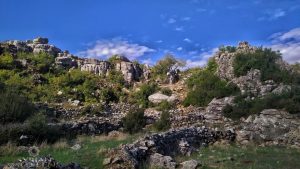
في تضاريس ريف مصياف الغربي، وبين المقاطع الصخرية الكثيفة لقرية الحيلونة…
تخيل أنك تسير في عتمة الليل بين أشجار السنديان والبلوط، وفجأة تسمع حفيفاً مرعباً للأغصان، لتلمح أمامك شبحاً ضخماً يسير على قدمين بارتفاع مترين، ويزن أكثر من 250 كيلوغراماً!
هذا ليس مشهداً من فيلم رعب… بل هي الحقيقة المرعبة والمهيبة التي عاشها أجدادنا في هذه الجبال.
إنه الدب البني السوري (Ursus arctos syriacus)، الملك الحقيقي لغاباتنا وعملاق التنوع الحيوي الذي خسرته بريتنا، تماماً كما خسرت النمر الأناضولي الشبح.
📜 سيد القمم… من هو الدب السوري؟
الدب البني السوري هو أصغر سلالات الدببة البنية في العالم، لكنه يظل أضخم مفترس بري عرفته الأرض السورية في العصر الحديث.
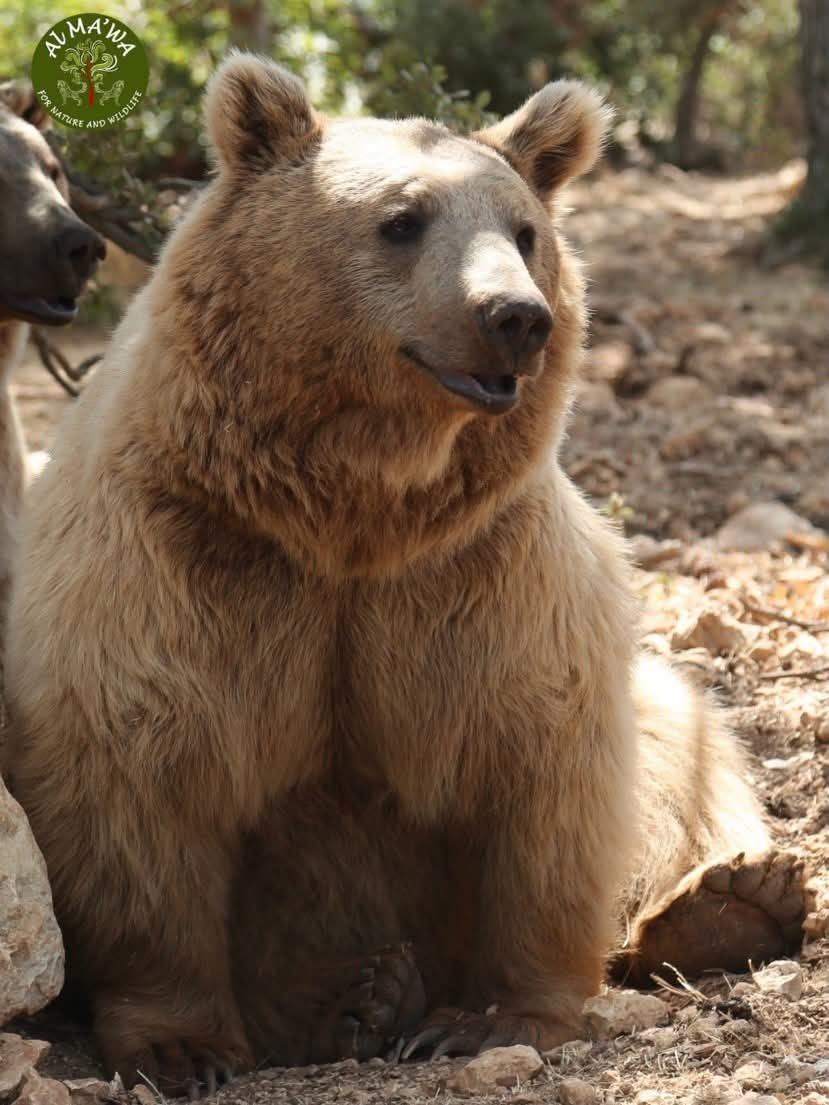
يتميز بذكائه الشديد وفرائه الفريد ذي اللون القشدي الفاتح (بني باهت مائل للرمادي المصفر)، وهو تدرج لوني وهبته إياه الطبيعة ليتخفى بين الصخور الجبلية الكلسية لجبال الساحل وجبل الشيخ.
📅 التسلسل الزمني لغرق العملاق: كيف اختفى ملك الجبل؟
🔸 العصور القديمة… رمز الهيبة:
كان ينتشر بكثافة في جبال الساحل والقلمون وجبل الشيخ، وارتبط بالقوة لدرجة أن الملوك القدامى وثقوا صيده في جدارياتهم كدليل على الشجاعة.
🔸 بداية القرن العشرين… التراجع الكبير:
مع دخول الأسلحة النارية الحديثة وبداية التحطيب الجائر، بدأت المساحات الحرجية تضيق، واضطر للانسحاب نحو القمم الأكثر وعورة.
🔸 منتصف القرن العشرين… رصاصة الوداع:
تؤكد الشهادات أن آخر الدببة المقيمة في جبال الساحل وريف مصياف تم اصطيادها وقتلها في أواخر الخريف من منتصف القرن الماضي، ليدخل الجبل في صمت طويل.
🔸 عام 2015… البصمة العائدة:
في مفاجأة هزت الأوساط العلمية، التقطت كاميرات باحثين في جبال القلمون صوراً لدبة سورية مع ديسمها وسط الثلوج، لتثبت أن هذه السلالة تقاتل لأجل البقاء حتى رمقها الأخير.
🔍 الدب السوري والنمر الأناضولي… مصير واحد لملوك البرية
كلاهما تربع على قمة الهرم الغذائي في جبالنا، وكلاهما امتلك صفات فريدة تكيفاً مع جغرافيتنا.
لكن بينما كان النمر “الشبح الصياد المسالم” الذي يتجنب البشر ويختبئ في “الجوبات”، كان الدب “الهيبة الظاهرة” التي تصطدم أحياناً مع المزارعين بسبب رغبته في تناول الفاكهة والعسل، مما جعل استهدافه أسهل وتثبيت غيابه أسرع.
🍯 المفترس “الوديع” وعاشق الفواكه
على الرغم من حجمه المرعب ومخالبه الطويلة، لم يكن الدب وحشاً متعطشاً للدماء؛ بل كان كائناً “قارتًا” (يأكل كل شيء).
كان يعشق التين البري، والكمثرى الجبلية، والجوز، وأقراص عسل النحل في المغاور الصخرية، ولم يلجأ لافتراس المواشي إلا في سنوات القحط الشديد أو لحماية صغاره.
🤝 تحية شكر واحترام
من منبرنا في “Syrian Wild Lens”، نتوجه بأسمى عبارات الشكر والتقدير والاحترام لـمحمية “المأوى للطبيعة والحياة البرية” في الأردن الشقيق؛ هذه المؤسسة الملهمة التي لا تزال تعمل بلا كلل لحماية ورعاية هذا الكائن الأصيل، الذي ظننا لسنوات طويلة أنه انقرض.
رؤيتهم يحافظون على “الذهب الجبلي السوري” حياً فوق أراضيهم، يبعث في قلوبنا الأمل، ويثبت أن الإنسانية والبيئة لا تحدهما حدود.
🌿 الرسالة الأخيرة: الأرض لا تنسى ملوكها
نحن لا نبكي على أطلال برية مفقودة، بل نرسخ “الوعي البيئي”.
إن حماية ما تبقى اليوم من ذئاب، وضباع، وثعالب، وطيور جارحة في قرانا، هي مسؤوليتنا جميعاً كي لا تتحول إلى مجرد قصص نرويها لأطفالنا.
📸 مصدر الصورة التوضيحية: محمية “المأوى للطبيعة والحياة البرية” – الأردن (Al Ma’wa for Nature and Wildlife).
📸 من عدسة Syrian Wild Lens
❓ هل روى لكم أجدادكم حكايات عن رؤية “الدب” أو مصادفته في المغاور القديمة بجبالكم؟ شاركونا قصصكم… فالحكاية لم تنتهِ بعد. 🐻 صخرة الجبل لا تنسى.
🐻 The Forgotten Forest Earthquake: When the “King of the Coastal Mountains” Weighed a Quarter Ton!
In the terrain of Masyaf’s western countryside, among the dense rocky passages of Al-Helouneh village…
Imagine walking in the darkness of night between oak and terebinth trees, and suddenly hearing a terrifying rustle of branches, only to glimpse before you a massive ghost walking on two legs, two meters tall, weighing over 250 kilograms!
This is not a scene from a Hollywood horror film… but the terrifying and awe-inspiring reality that our ancestors lived in these mountains.
It is the Syrian Brown Bear (Ursus arctos syriacus), the true king of our forests and the giant of biodiversity that our wilderness lost, just as it lost the Anatolian Leopard, the ghost.
📜 Lord of the Peaks… Who Is the Syrian Bear?
The Syrian Brown Bear is the smallest subspecies of brown bears in the world, yet it remains the largest wild predator known to the Syrian land in modern times.
It is distinguished by its sharp intelligence and unique fur of pale creamy color (faint brown tending to yellowish gray), a color gradient granted by nature to camouflage among the limestone mountain rocks of the coastal mountains and Mount Hermon.
📅 The Timeline of the Giant’s Decline: How Did the Mountain King Disappear?
🔸 Ancient Times… Symbol of Awe:
It was widespread in the coastal mountains, Qalamoun, and Mount Hermon, and was associated with power to the extent that ancient kings documented hunting it in their murals as proof of courage.
🔸 Early 20th Century… The Great Decline:
With the introduction of modern firearms and the beginning of illegal logging, forested areas began to shrink, forcing it to retreat toward the more rugged peaks.
🔸 Mid-20th Century… The Farewell Bullet:
Testimonies confirm that the last resident bears in the coastal mountains and Masyaf’s countryside were hunted and killed in late autumn of the mid-20th century, leaving the mountain in long silence.
🔸 2015… The Returning Trace:
In a surprise that shook scientific circles, researcher cameras in the Syrian Qalamoun mountains captured images of a Syrian female bear with her cub in the snow, proving that this subspecies is fighting for survival until its last breath.
🔍 The Syrian Bear and the Anatolian Leopard… A Shared Fate for the Kings of the Wild
Both sat at the top of the food pyramid in our mountains, and both possessed unique traits adapting to our geography.
But while the leopard was the “peaceful hunter ghost” that avoids humans and hides in the “Jawbat,” the bear was the “visible awe” that sometimes clashed with farmers due to its desire to eat fruit and honey, making it easier to target and faster to confirm its absence.
🍯 The “Gentle” Predator and Fruit Lover
Despite its terrifying size and long claws, the bear was not a bloodthirsty monster; rather, it was an “omnivore” (eating everything).
It loved wild figs, mountain pears, walnuts, and honeycombs in rocky caves, and only resorted to preying on livestock in years of severe drought or to protect its cubs.
🤝 A Tribute of Thanks and Respect
From our platform at “Syrian Wild Lens,” we extend our highest expressions of thanks, appreciation, and respect to “Al Ma’wa for Nature and Wildlife” Sanctuary in the brotherly country of Jordan; this inspiring institution that still works tirelessly to protect and care for this authentic creature, which we thought for long years had become extinct.
Seeing them preserve “the Syrian mountain gold” alive on their lands brings hope to our hearts, and proves that humanity and the environment know no borders.
🌿 The Final Message: The Earth Does Not Forget Its Kings
We are not weeping over the ruins of a lost wilderness, but establishing “environmental awareness.”
Protecting what remains today of wolves, hyenas, foxes, and birds of prey in our villages is our collective responsibility, so they do not become just stories we tell our children.
📸 Source of Illustrative Photo: “Al Ma’wa for Nature and Wildlife” Sanctuary – Jordan.
📸 Through the lens of Syrian Wild Lens
❓ Have your ancestors told you stories about seeing “the bear” or encountering it in the ancient caves of your mountains? Share your stories with us… for the tale is not over yet. 🐻 The mountain rock does not forget.
#الحيلونة #مصياف #الدب_السوري #الدب_البني_السوري #الحياة_البرية #الانقراض #التراث_الشعبي #المأوى_للطبيعة #SyrianWildLens #AlHelouneh #Masyaf #SyrianBear #SyrianBrownBear #Wildlife #Extinction #FolkHeritage #AlMawa #SyrianNature #SyrianHeritage #SyrianVillages #Predators #Biodiversity #Conservation #MountainLife #WildAnimals #SyrianMountains #MiddleEastWildlife #NaturePhotography #Bear #SyrianLandscape #MiddleEastNatureمجلة ايليت فوتو ارت.