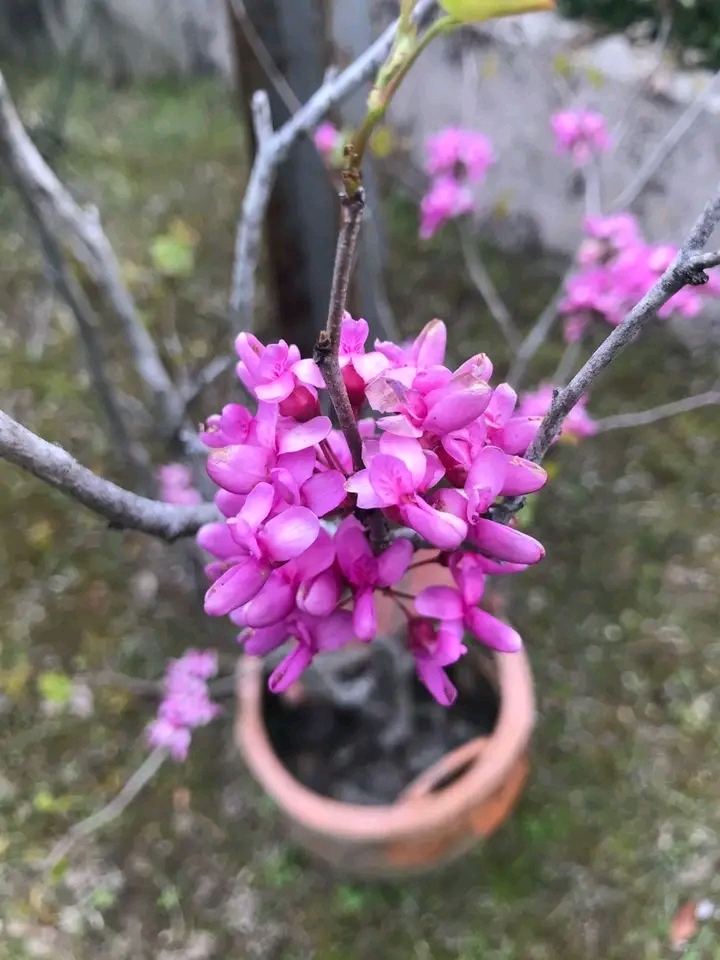
🌸 السجريق… الشجرة الأرجوانية التي تنبت أزهارها من الخشب
في جبال ريف مصياف والساحل السوري، حيث تتنفس الغابات عبق الربيع…
تظهر شجرة ساحرة، تكسو نفسها بأزهار وردية-أرجوانية فاقعة…
قبل أن تنبت أوراقها الخضراء!
إنها السجريق… أو الزمزريق (Cercis siliquastrum)، وتُلقب أيضاً بـ”أرجوان الساحل”.
🌺 الانفجار الأرجواني الخاطف
🔸 أزهار قبل الأوراق: في بداية فصل الربيع (شهر آذار)، تكسو الشجرة بأكملها غزارة لا تُصدق من الأزهار الوردية-الأرجوانية الساحرة… قبل أن تنبت أوراقها.
🔸 الإزهار من الجذع: تخرج الأزهار مباشرة من الخشب القديم… أي من الجذع الرئيسي والأغصان السميكة، في مشهد لافت للأنظار حتى من مسافات بعيدة.
🍯 أزهار صالحة للأكل
أزهار شجرة السجريق ليست للزينة فقط، بل هي صالحة للأكل تماماً، ولها مذاق حلو ولذيذ.
🔸 يستخدمها أهالي القرى في الساحل السوري كنوع من “الزهورات” المغلية.
🔸 وفي بعض المناطق، يُصنع من هذه الأزهار الوردية مربى مميز.
🔸 كما أنها مرعى أول ومفضل لنحل العسل في بداية الربيع.
📜 أساطير وحكايات…
🔸 “شجرة الخجل والدموع”… أسطورة يهوذا
تروي الأسطورة أن هذه الشجرة كانت تنمو بكثرة في تلال “يهودا” في فلسطين، وكانت تباهي بقية أشجار الغابة بأزهارها البيضاء الناصعة كالثلج.
وعندما أصاب الندم واليأس يهوذا الإسخريوطي بعد فعلته، لجأ إلى هذه الشجرة وشنق نفسه على أحد أغصانها.
تقول الأسطورة إن الشجرة شعرت بالخزي والعار… فاحمرّت أزهارها “خجلاً”، وتحولت من اللون الأبيض النقي إلى الوردي والأرجواني الفاقع.
🔸 التحريف اللغوي… من الجغرافيا إلى الخيانة
كان الفرنسيون والرحالة يطلقون عليها اسم “Arbre de Judée”، أي “شجرة بلاد يهودا”، نسبة إلى المنطقة الجغرافية.
مع مرور الزمن، حدث خطأ لغوي غير مقصود؛ حيث تحولت كلمة “Judea” (بلاد يهودا) إلى “Judas” (يهوذا الخائن)، والتصقت بها القصة الشعبية.
🔸 “شجرة الحب” في الفلكلور الإيطالي
في بعض أرياف إيطاليا، يُطلق على السجريق اسم “شجرة الحب”.
والرمزية تعود إلى شكل أوراق الشجرة التي تأخذ شكل قلب هندسي دقيق.
🏛️ ماضيها في الحضارات القديمة
🔸 عند اليونان… المغزل الإلهي
الاسم العلمي Cercis مشتق من الكلمة اليونانية “Kerkis” والتي تعني “المكوك” (مكوك النسيج)، وذلك لتشابه قرونها المحملة بالبذور مع مكوك آلة النسيج.
🔸 عند الرومان… شجرة الحب
كان الرومان يربطون الأوراق ذات الشكل القلبي بإلهة الحب فينوس، ومنها جاء لقبها “شجرة الحب”.
🔸 عند البيزنطيين… أرجوان القياصرة
عاش البيزنطيون هوساً باللون الأرجواني الفاقع، وكان حكراً على الأباطرة. وعندما كانت تتفتح شجرة السجريق في الربيع بنفس اللون الأرجواني الملكي، اعتبروها “الشجرة الملكية”، وكانت تُزرع حول القصور الإمبراطورية.
🔸 عند العثمانيين… مبشر الربيع
في العهد العثماني، كانت السجريق (وتسمى بالتركية Erguvan) بمثابة “المبشر الملكي بالربيع”، وكان السلاطين يقيمون “مهرجانات اليرغوان” للاحتفاء بالطبيعة.
🌿 حقائق مذهلة
🔸 صديقة التربة: جذورها تمتلك القدرة على تثبيت النيتروجين في التربة، مما يعيد الخصوبة للأراضي المحيطة.
🔸 حساسية ضد التلوث: الشجرة بالغة الحساسية ضد التلوث البيئي، لذا فإن ازدهارها في جبالنا يُعد شهادة على نقاء الهواء.
🔸 التغير اللوني للأوراق: أوراقها القلبية تبدأ بالربيع بلون برونزي مائل للأحمر، ثم تصبح خضراء داكنة في الصيف، وتكتسي بالأصفر الزبدي في الخريف.
🔸 منقذة الحيوانات في الصيف: في ذروة الصيف عندما تجف الأعشاب، تعتبر قرون وأوراق السجريق غذاءً بديلاً عالي القيمة للحيوانات البرية والمواشي.
🔸 خشب فاخر: خشبها الداخلي يتميز بلون أصفر دافئ مائل للبني، ويُستخدم في الحرف اليدوية الدقيقة وصناعة قشرة الأثاث الفاخرة.
📸 من عدسة Syrian Wild Lens
❓ هل تعرفون شجرة السجريق؟ وهل شاهدتم أزهارها الأرجوانية من قبل؟ شاركونا… فالحكاية لم تنتهِ بعد. 🌸🏔️
🚀 الرحلة مستمرة… إذا كنت تعشق أسرار السماء وتراث الأرض، اضغط على زر “متابعة” لتكون معنا في التوثيق القادم لـ Syrian Wild Lens. 🌿📸
🌸 The Judas Tree… The Purple Tree That Blooms from Wood
In the mountains of Misyaf’s countryside and the Syrian coast, where forests breathe the fragrance of spring…
A magical tree appears, covering itself with striking pink-purple flowers…
Before its green leaves even emerge!
It is the Al-Sijriq… or Al-Zamzariq (Cercis siliquastrum), also called “The Purple of the Coast.”
🌺 The Fleeting Purple Explosion
🔸 Flowers Before Leaves: In early spring (March), the entire tree is covered with an incredible abundance of enchanting pink-purple flowers… before its leaves appear.
🔸 Blooming from the Trunk: Flowers emerge directly from old wood… meaning from the main trunk and thick branches, in a striking scene visible even from great distances.
🍯 Edible Flowers
The flowers of the Judas tree are not just for decoration, they are completely edible, with a sweet and delicious taste.
🔸 Villagers in the Syrian coast use them as a type of herbal tea.
🔸 In some areas, a distinctive jam is made from these pink flowers.
🔸 They are also a primary and preferred pasture for honey bees in early spring.
📜 Legends and Tales…
🔸 “The Tree of Shame and Tears”… The Legend of Judas
The legend says this tree grew abundantly in the hills of “Judea” in Palestine, and it used to boast to the rest of the forest trees with its snow-white flowers.
When Judas Iscariot was struck by remorse and despair after his deed, he resorted to this tree and hanged himself on one of its branches.
The legend says the tree felt shame and disgrace… so its flowers blushed “in shame,” turning from pure white to striking pink and purple.
🔸 The Linguistic Distortion… From Geography to Betrayal
The French and travelers called it “Arbre de Judée,” meaning “Tree of the Land of Judea,” referring to the geographic region.
Over time, an unintended linguistic error occurred; the word “Judea” (land of Judea) became “Judas” (the betrayer), and the folk tale attached to it.
🔸 “The Tree of Love” in Italian Folklore
In some Italian countryside, the Judas tree is called “The Tree of Love.”
The symbolism goes back to the shape of the tree’s leaves which take the form of a precise heart.
🏛️ Its Past in Ancient Civilizations
🔸 Among the Greeks… The Divine Spindle
The scientific name Cercis is derived from the ancient Greek word “Kerkis” meaning “shuttle” (weaving shuttle), due to the similarity of its seed-bearing pods to the weaving shuttle.
🔸 Among the Romans… The Tree of Love
The Romans linked the heart-shaped leaves to the goddess of love Venus, hence its title “The Tree of Love.”
🔸 Among the Byzantines… The Purple of Emperors
The Byzantines had an obsession with striking purple, which was exclusive to emperors. When the Judas tree bloomed in spring with the same royal purple color, they considered it “The Royal Tree,” and it was planted around imperial palaces.
🔸 Among the Ottomans… The Herald of Spring
In the Ottoman era, the Judas tree (called in Turkish Erguvan) was “The Royal Herald of Spring,” and sultans held “Erguvan Festivals” to celebrate nature.
🌿 Amazing Facts
🔸 Soil Friend: Its roots can fix nitrogen in the soil, restoring fertility to surrounding lands.
🔸 Sensitivity to Pollution: The tree is extremely sensitive to environmental pollution, so its flourishing in our mountains is a certificate of air purity.
🔸 Leaf Color Change: Its heart-shaped leaves start in spring with a bronze-red color, become dark green in summer, and turn buttery yellow in autumn.
🔸 Animal Savior in Summer: In peak summer when wild grasses dry up, the Judas tree’s pods and leaves are high-value alternative food for wild animals and livestock.
🔸 Luxury Wood: Its inner wood has a warm yellow-brown color, used in fine handicrafts and luxury furniture veneer.
📸 Through the lens of Syrian Wild Lens
❓ Do you know the Judas tree? Have you seen its purple flowers before? Share with us… for the tale is not over yet. 🌸🏔️
🚀 The journey continues… If you love the secrets of the sky and the heritage of the land, hit “Follow” to join us in the next documentation by Syrian Wild Lens. 🌿📸
#السجريق #الزمزريق #أرجوان_الساحل #CercisSiliquastrum #JudasTree #جبال_مصياف #الحيلونة #التراث_اللغوي #الأساطير #اليونان #الرومان #البيزنطيون #العثمانيون #SyrianWildLens #AlSijriq #AlZamzariq #PurpleOfTheCoast #Misyaf #AlHelouneh #LinguisticHeritage #Legends #Greeks #Romans #Byzantines #Ottomans #SyrianHeritage #SyrianHistory #MountainTrees #MediterraneanForests #Biodiversity #مجلة ايليت فوتو ارت