📸🌿 أساطير منسية في جبال الحيلونة: عناق “البيبود” والياسمين البري
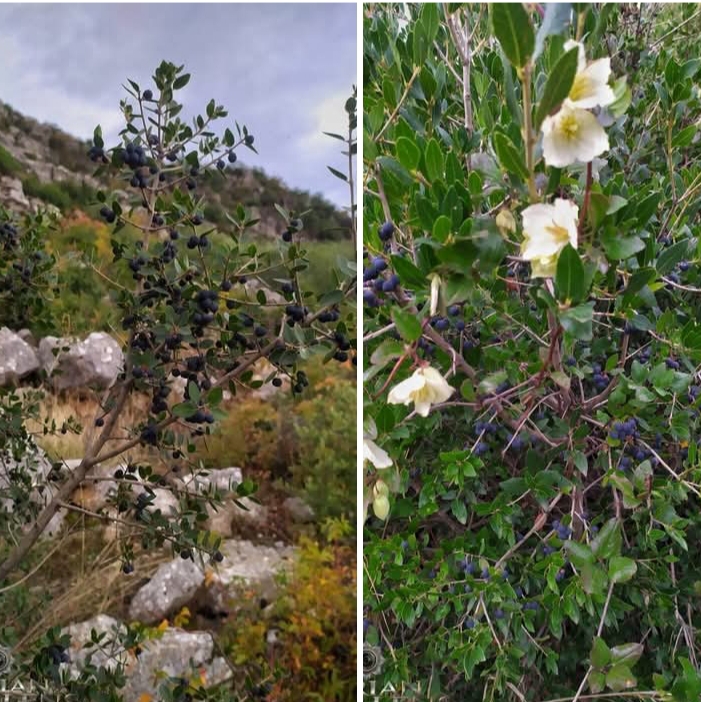
في المرتفعات الصخرية لريف مصياف الغربي، وتحديداً من قرية الحيلونة الساحرة، رصدت عدسة Syrian Wild Lens هذا التلاحم الطبيعي الفريد بين نوعين من الكنوز النباتية، التي لا تحمل جمالاً بيئياً فحسب، بل تختزن تاريخاً حافلاً بالأساطير والقصص الشعبية.
🌲 الشجرة المستضيفة: “البيبود”… درع الصواعق
تُعرف محلياً باسم “البيبود”، وعلمياً باسم Rhamnus alaternus (النبق متبادل الأوراق).
للوهلة الأولى، قد تظنها شجرة سنديان بسبب أوراقها الجلدية الخضراء الداكنة واللامعة، لكن سرها يكمن في أوراقها الملساء تماماً والوديعة بلا أي أشواك! وفي هذا الوقت، تتزين بثمارها العنبية السوداء الداكنة.
وحكايتها مع الأساطير طويلة:
🔸 في الأساطير الإغريقية، كانت تُعتبر “شجرة الحد الفاصل” التي تحمي المزارع من الأرواح البرية.
🔸 وفي القرن الأول الميلادي، وثّق الطبيب ديوسكوريدس قيام الفلاحين في بلاد الشام بصناعة “عصي الرعي” من خشبها الصلب لطرد الأفاعي.
🔸 أما في فلكلور العصور الوسطى، فكانت تُسمى “درع الصواعق”، حيث كان القرويون يعلقون أغصانها الخضراء تحت أسطح المنازل، لاعتقادهم أنها تحمي بيوتهم وأرزاقهم من حرائق البرق.
🌸 الضيف المتسلق: الياسمين البري… بهجة المسافر
لم تكن شجرة البيبود وحيدة، بل كانت تحتضن ضيفاً ذكياً يلتف حول أغصانها؛ إنه الياسمين البري (Clematis cirrhosa)، الذي يختار ذروة برد الشتاء ليزهر، ويزين الطبيعة بأجراسه العاجية المتدلية.
وهذا المتسلق يحمل إرثاً فلكلورياً غريباً:
🔸 أطلق عليه سكان أرياف أوروبا قديماً اسم “بهجة المسافر”، لأنه كان يمنح الدفء البصري في الطرقات الجبلية الموحشة.
🔸 وفي القرون الوسطى، عُرف باسم “نبات الشفقة”، حيث كان بعض الشحاذين يفركون أوراق النبتة الحارقة على جلودهم عن عمد، لإحداث تقرحات مؤقتة تثير شفقة المارة!
🔸 وبعد سقوط البتلات، تتحول بذورها إلى شعيرات ريشية بيضاء، تُعرف في الفلكلور المتوسطي باسم “شعر الشتاء الأشهب”… وكأن الشتاء يترك خصالاً من شعره الأبيض معلقة على أغصان البيبود قبل أن يرحل.
🌿 لوحة طبيعية حية… تجمع بين هيبة الغابة السورية وعمق الحكاية التاريخية.
📸 من عدسة Syrian Wild Lens
❓ هل تعرفون نباتات أخرى في قراكم تحمل أساطير وحكايات؟ شاركونا… فالحكاية لم تنتهِ بعد. 🌿🏔️
🚀 الرحلة مستمرة… إذا كنت تعشق أسرار السماء وتراث الأرض، اضغط على زر “متابعة” لتكون معنا في التوثيق القادم لـ Syrian Wild Lens. 🌿📸
📸🌿 Forgotten Legends in the Mountains of Al-Helouneh: The Embrace of “Al-Bayboud” and Wild Jasmine
In the rocky highlands of Masyaf’s western countryside, specifically from the enchanting village of Al-Helouneh, the lens of Syrian Wild Lens captured this unique natural embrace between two botanical treasures, which carry not only ecological beauty but also a rich history of legends and folk tales.
🌲 The Host Tree: “Al-Bayboud”… The Lightning Shield
It is locally known as “Al-Bayboud”, and scientifically as Rhamnus alaternus (Mediterranean Buckthorn).
At first glance, you might think it is an oak tree due to its leathery, dark green, glossy leaves, but its secret lies in its completely smooth, thornless leaves! At this time, it adorns itself with its dark blackish berries.
Its story with legends is long:
🔸 In Greek mythology, it was considered “the boundary tree” that protected farms from wild spirits.
🔸 In the first century AD, the famous physician Dioscorides documented that farmers in the Levant made “shepherd’s staffs” from its hard wood to repel snakes.
🔸 In medieval folklore, it was called “the lightning shield”, as villagers would hang its green branches under the roofs of their houses, believing they protected their homes and livelihoods from lightning fires.
🌸 The Climbing Guest: Wild Jasmine… The Traveler’s Delight
The Bayboud tree was not alone; it embraced a clever guest wrapping around its branches: Wild Jasmine (Clematis cirrhosa), which chooses the peak of winter cold to bloom, adorning nature with its hanging ivory bells.
This climber carries a strange folkloric heritage:
🔸 Ancient European countryside dwellers called it “the traveler’s delight”, because it provided visual warmth on desolate mountain roads.
🔸 In the Middle Ages, it was known as “the plant of compassion”, as some beggars would deliberately rub the plant’s burning leaves on their skin to cause temporary ulcers that aroused passersby’s pity!
🔸 After the petals fall, its seeds turn into white feathery hairs, known in Mediterranean folklore as “the hoary winter hair”… as if winter leaves locks of its white hair hanging on the Bayboud’s branches before departing.
🌿 A living natural painting… combining the majesty of the Syrian forest with the depth of historical tale.
📸 Through the lens of Syrian Wild Lens
❓ Do you know other plants in your villages that carry legends and tales? Share with us… for the tale is not over yet. 🌿🏔️
🚀 The journey continues… If you love the secrets of the sky and the heritage of the land, hit “Follow” to join us in the next documentation by Syrian Wild Lens. 🌿📸
#الحيلونة #مصياف #البيبود #الياسمين_البري #الأساطير #التراث_الشعبي #النباتات_البرية #SyrianWildLens #AlHelouneh #Masyaf #AlBayboud #WildJasmine #Legends #FolkHeritage #WildPlants #RhamnusAlaternus #ClematisCirrhosa #SyrianNature #SyrianHeritage #SyrianVillages #Biodiversity #Conservation #PlantLore #MediterraneanPlants #SyrianFlora #MountainPlants #NaturePhotography #SyrianLandscap#naturephotography e #middleeastnature#كجلة ايليت فوتو ارت.