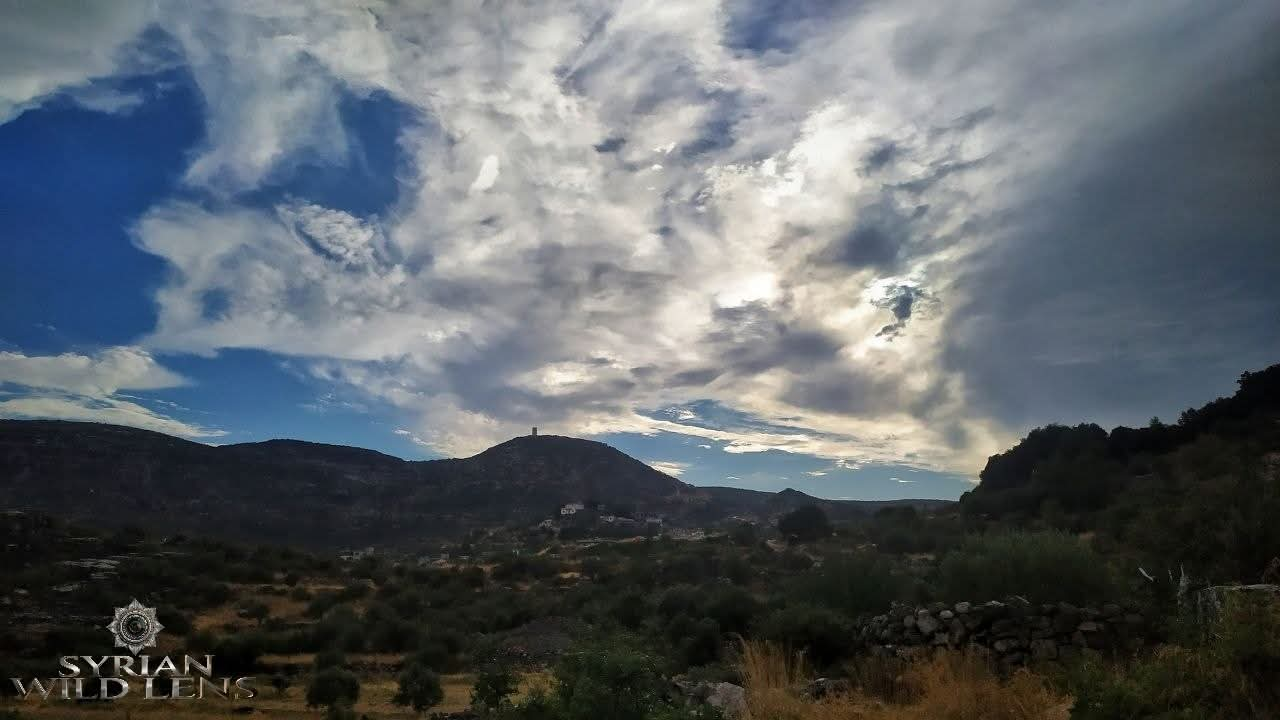
🏛️ رغيل… الأرض التي تحرس ذاكرة الحيلونة
في قرية الحيلونة، ريف مصياف الغربي…
حيث تتشابك الصخور مع الغيوم، وتختبئ الأسرار في جوف الجبل…
تمتد أرض رغيل، واحدة من المواقع الأثرية والطبيعية التاريخية التي تحرس ذاكرة القرية.
📜 ما معنى “رغيل”؟
الاسم يحمل في جذوره السامية والرومانية معاني متعددة، وكلها تصف هذه الأرض بدقة:
🔸 في الآرامية والكنعانية: جذر (ر-ج-ل) يشير إلى “سفح الجبل” أو “ممر المشاة الوعر” — أي المكان الذي لا تسلكه الخيول، بل يُسلك رجلاً لصعوبة تضاريسه الصخرية.
🔸 معنى آخر: جذر (ر-غ-ل) يتداخل مع مفهوم الخصب وتدفق الخيرات، ويرتبط بفكرة “الأرض الساقية” أو “المكان المروي”، حيث ترتبط أراضيها الصخرية بسراديب مياه طبيعية وآبار مخزنة.
🔸 في اللاتينية الرومانية: قد يكون تحويراً لـ”Regalis” (الملكي)، أو “Regio” (المنطقة المحددة)، وكلاهما ينطبق على موقع استراتيجي في العهد الروماني.
🔸 في العربية: “رَغَلَ” تعني العيش الرغيد والواسع، أو الأرض القريبة من منابع المياه.
🏛️ ماذا تحمل رغيل في جوفها؟
يعود تاريخ المعالم المكتشفة في رغيل والمناطق المحيطة بها إلى العهد الروماني وعصور قديمة أخرى، وتدل على استيطان بشري موغل في القدم في هذه المنطقة الصخرية الوعرة.
🔸 اللقى الثابتة (العمارة الجنائزية والمائية)
🔹 المدافن الصخرية (النواويس والقبور الفردية): نُحتت مباشرة في صخور رغيل الصلبة، وتتطابق هندستها مع أساليب الدفن الرومانية المعتمدة في ريف مصياف.
🔹 الجرون والقنوات الصخرية: أجران حجرية هندسية موصولة بفوالق وسراديب مائية طبيعية، استخدمها الرومان لجمع وتصفية مياه الأمطار للتغلب على جفاف الجبل.
🔹 حجارة القطع الكبيرة: بقايا أساسات جدارية مبنية بحجارة ضخمة مشغولة بطريقة النحت الروماني المتين.
🔸 اللقى المنقولة (المكتشفات السطحية والزراعية)
تظهر هذه اللقى بكثرة أثناء قيام فلاحي الحيلونة باستصلاح الأراضي الجبلية وحراثتها:
🔹 الكسر الفخارية والسرج: بقايا أوانٍ فخارية وجرار تخزين مكسورة، وأجزاء من سرج فخارية صغيرة تُستخدم للإضاءة.
🔹 الخرز والزينة المعدنية: قطع زينة بسيطة مثل الخرز الزجاجي الملون وأجزاء من أساور برونزية متأكسدة.
🏞️ رغيل وحبيان… توأمان أثريان
يتكامل موقع رغيل مع موقع حبيان القريب، حيث توجد عين ماء قديمة تحيط بها بقايا قرية أثرية تعود لآلاف السنين، ومدفن منحوت في صخرة كبيرة بطريقة فنية مميزة.
📌 ملاحظة من القلب:
اكتفينا بالتوثيق بسبب عدم القدرة على التواجد ميدانياً في هذه الأرض الرائعة والتاريخية.
نترك لكم المساحة يا أهل الحيلونة لتضعوا صوركم عن أرض رغيل… فأنتم أهل المكان، وأنتم من يعرفون أسرارها.
📸 من أرشيف Syrian Wild Lens
❓ هل تعلمون أن في الحيلونة أرضاً تحمل آثاراً رومانية؟ وهل زرتُم رغيل من قبل؟ شاركونا… فالحكاية لم تنتهِ بعد. 🌿🏔️
🏛️ Rghil… The Land That Guards Al-Helouneh’s Memory
In the village of Al-Helouneh, in Misyaf’s western countryside…
Where rocks intertwine with clouds, and secrets hide in the heart of the mountain…
Extends Rghil, one of the archaeological and historical sites that guards the village’s memory.
📜 What Does “Rghil” Mean?
The name carries multiple meanings in its Semitic and Roman roots, all accurately describing this land:
🔸 In Aramaic and Canaanite: The root (R-G-L) refers to “the mountain slope” or “the rugged pedestrian path” — a place not traversed by horses, but on foot due to its rocky terrain.
🔸 Another meaning: The root (R-Gh-L) intersects with the concept of fertility and flowing goodness, linked to the idea of “irrigated land” or “watered place,” as its rocky lands are connected to natural water tunnels and storage wells.
🔸 In Roman Latin: May be a distortion of “Regalis” (royal), or “Regio” (defined region), both fitting a strategic location in the Roman era.
🔸 In Arabic: “Raghala” means living in abundance and comfort, or land near water sources.
🏛️ What Does Rghil Hold in Its Depths?
The discovered monuments in Rghil and surrounding areas date back to the Roman era and other ancient times, indicating human settlement deeply rooted in antiquity in this rugged rocky region.
🔸 Fixed Finds (Funerary and Water Architecture)
🔹 Rock-cut Tombs (Sarcophagi and Individual Graves): Carved directly into Rghil’s solid rocks, their geometry matches Roman burial methods in Misyaf’s countryside.
🔹 Rock Basins and Channels: Geometric stone basins connected to natural water faults and tunnels, used by Romans to collect and filter rainwater to overcome mountain drought.
🔹 Large Cut Stones: Remains of wall foundations built with huge stones carved in the sturdy Roman method.
🔸 Movable Finds (Surface and Agricultural Discoveries)
These finds appear frequently as Al-Helouneh farmers reclaim and plow mountainous lands:
🔹 Pottery Shards and Lamps: Remains of broken pottery vessels and storage jars, and parts of small clay lamps used for lighting.
🔹 Beads and Metal Ornaments: Simple ornaments like colored glass beads and parts of oxidized bronze bracelets.
🏞️ Rghil and Habyan… Two Archaeological Twins
Rghil integrates with the nearby Habyan site, where an ancient water spring is surrounded by remains of an archaeological village thousands of years old, and a tomb carved into a large rock in a distinctive artistic manner.
📌 A Note from the Heart:
We limited ourselves to documentation due to our inability to be physically present in this wonderful and historic land.
We leave the space to you, people of Al-Helouneh, to share your photos of Rghil… for you are the people of the place, and you know its secrets.
📸 From the archive of Syrian Wild Lens
❓ Did you know there is land in Al-Helouneh carrying Roman antiquities? Have you visited Rghil before? Share with us… for the tale is not over yet. 🌿🏔️
#رغيل #الحيلونة #مصياف #الآثار_الرومانية #النواويس #المدافن_الصخرية #التراث_اللغوي #السريانية #الآرامية #الكنعانية #SyrianWildLens #Rghil #AlHelouneh #Misyaf #RomanAntiquities #Sarcophagi #RockTombs #LinguisticHeritage #Syriac #Aramaic #Canaanite #SyrianHeritage #SyrianHistory #SyrianVillages #Archaeology #AncientSites #SyrianMountains #AlHelouneh #حبيان #Habyan#مجلة ايليت فوتو ارت.