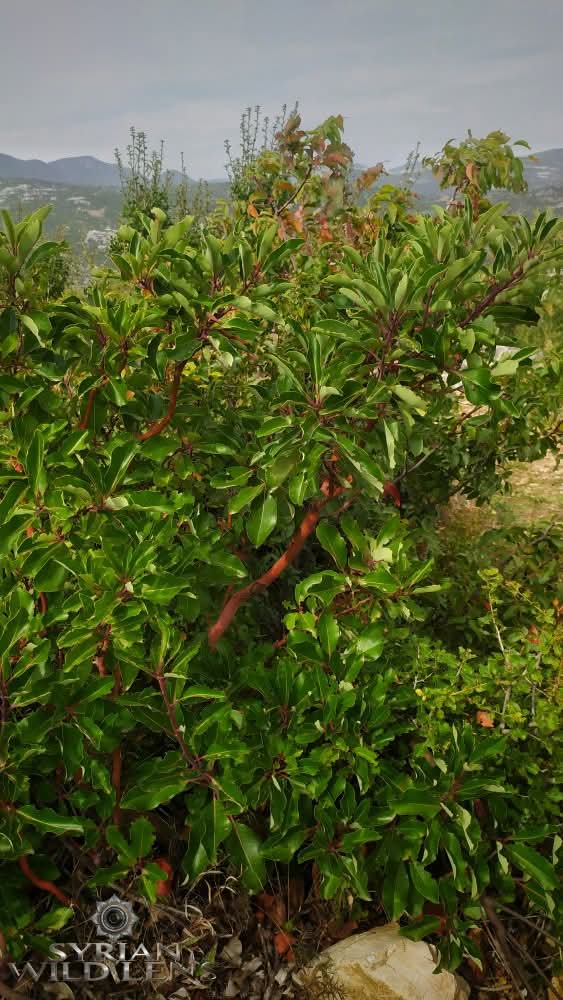
🌿 القطلب… الشجرة التي تخلع جلدها كل عام، وتحكي أسطورة الدم والبارود
في غابات جبال الساحل السوري، وريف مصياف الغربي…
بين أشجار السنديان والبلوط، تقف شجرة غريبة…
جذعها أحمر قانٍ، ملساء كأنها مصقولة… وكأنها خلعت ثوبها القديم لتلبس ثوباً جديداً.
يسميها أهلنا “اللنج” أو “القطلب”… ويسميها العلم Arbutus andrachne.
📜 لماذا جذعها أحمر؟… أسطورة “قاتل أبيه”
في الموروث الشعبي لبلاد الشام، تُعرف هذه الشجرة باسم “قاتل أبيه”، وتدور حولها قصة مأساوية:
تروي الحكاية أن شاباً أحب فتاة جميلة، فطلب من والده أن يذهب لخطبتها له… لكن الأب عندما رأى الفتاة سُحر بجمالها، فغدر بابنه وخطبها لنفسه.
حين علم الابن بالخيانة، لحق بأبيه إلى الغابة، ودار بينهما عراك تحت شجرة قطلب، انتهى بأن ضرب الابن أباه بحجر على رأسه.
سال دم الأب، وتلطخ به لحاء الشجرة… ومات الأب من فوره.
تقول الأسطورة إن الشجرة حزنت على هذه الجريمة، وظل دم الأب يجري في عروقها… ليتحول لون جذعها إلى الأحمر القاني للأبد.
وصارت تُقشر جلدها كل عام… محاولةً التخلص من آثار تلك الدماء الخائنة.
📖 لكن هناك تفسير آخر… “شجرة القاتل”
قديماً، اكتشف الفلاحون والمحاربون في الجبال أن الفحم المستخرج من حطب القطلب يمتاز بجودة واحتراق عاليين جداً.
فكان يدخل بشكل أساسي في صناعة البارود التقليدي منذ أكثر من ألف عام.
ولأن هذا البارود كان يُستخدم في الحروب والبنادق ويؤدي للقتل… أطلق عليها الأقدمون لقب “شجرة القاتل”.
🍓 “أكلتُ واحدة فقط”… قصة الاسم اللاتيني
في اليونان وإيطاليا، تُسمى هذه الشجرة “شجرة الدب”… لأن الدببة كانت تقطع مسافات طويلة في الخريف لتتغذى على ثمارها الناضجة.
أما العالم الروماني بلينيوس الأكبر، فأطلق عليها الاسم العلمي Arbutus unedo.
وكلمة “Unedo” تعني باللاتينية “أكلتُ واحدة فقط”.
والقصة وراء هذا الاسم الطريف: أن من يتذوق ثمارها لأول مرة… تأخذه الحيرة، فهي شديدة الحلاوة… لكن الإفراط فيها يسبب ثقلاً وغثياناً، فكان الشخص يأكل حبة واحدة فقط ثم يتوقف!
🌳 حقائق مذهلة عن القطلب
🔸 ظاهرة “النبيذ البري” وسُكْر الطيور
عندما تنضج الثمار تماماً وتصبح حمراء قانية في أواخر الخريف… تبدأ السكريات بداخلها بالتخمر الطبيعي وهي لا تزال معلقة على الأغصان.
وعندما تتناولها الطيور بكميات كبيرة… تصاب بنوع من “السُّكْر الخفيف” والترنح!
🔸 التناقض الزمني الفريد (أزهار وثمار في آنٍ واحد)
يستغرق نضج ثمارها عاماً كاملاً (١٢ شهراً).
هذا يعني أنه عندما يحين وقت إزهارها في الربيع التالي… ستشاهد على الشجرة نفسها أزهاراً جديدة تتفتح، وجوارها ثماراً حمراء ناضجة من العام الماضي!
مشهد ساحر يجمع بين فصلي الربيع والخريف على غصن واحد!
🔸 سر البقاء والنجاة من الحرائق
القطلب شجرة بالغة الذكاء في التعامل مع حرائق الغابات.
تمتلك جذر الشجرة كتلة خشبية ضخمة تحت الأرض تُسمى (Lignotuber).
عندما تتعرض الغابة لحريق وتخسر الشجرة ساقها ولحاءها الأحمر بالكامل… تظل هذه الكتلة تحت التربة محمية وحياة، وسرعان ما تبدأ بإنتاج براعم جديدة بعد الحريق بفترة قصيرة… لتولد الشجرة من رمادها مجدداً.
🔸 عسل القطلب “المر” والنادر
النحل الذي يتغذى على أزهار القطلب ينتج نوعاً نادراً جداً وفاخراً من العسل يُعرف بـ”العسل المُرّ” (Bitter Honey).
يمتاز بمذاق لاذع يجمع بين الحلاوة والمرارة، وله قيمة طبية وعلاجية هائلة… ويُباع بأسعار مرتفعة جداً في دول مثل إيطاليا واليونان.
🏛️ الفوائد والاستخدامات المحلية
🔸 صناعات تراثية: أخشاب القطلب طرية، خفيفة الوزن، ومطاوعة للتشكيل… لذلك اشتُهر الحرفيون في ريف الساحل السوري باستخدامها تاريخياً لصناعة الملاعق الخشبية التراثية والأدوات المنزلية.
🔸 الفوائد الطبية: ثمارها غنية جداً بـفيتامين C (بنسب تفوق البرتقال)، وتُستخدم أوراقها وثمارها في الطب الشعبي لعلاج الإسهال، وخفض ضغط الدم، ومشاكل الجهاز البولي والكلى.
(تنبيه: يجب تناولها باعتدال لأن الإفراط فيها قد يسبب الغثيان).
🌿 ملاذ الفلاحين وحارس الأمتعة
في القرى الجبلية القديمة، كان يُنظر إلى أشجار القطلب المعمرة والضخمة بنوع من المهابة الروحية.
كان الفلاحون والرعاة يلجؤون إلى ظلها للاستراحة… ويتركون أمتعتهم وأدوات زراعتهم (مثل المحاريث) تحت جذعها الأحمر ويمضون لقضاء أعمالهم، مطمئنين تماماً أن أحداً لن يجرؤ على سرقتها… خوفاً من “انتقام الشجرة” وفق المعتقدات البسيطة السائدة آنذاك.
💔 كلمة من القلب…
لكن ما يحزن القلب… أن هذه الشجرة تفقد من غاباتنا يوماً بعد يوم.
لا يمكننا لوم أحد… لكن كان الله يعين البشر والشجر وكل ما على هذه الأرض.
📸 من عدسة Syrian Wild Lens
❓ هل تعرفون شجرة القطلب (اللنج)؟ وهل تذوقتم ثمارها من قبل؟ شاركونا… فالحكاية لم تنتهِ بعد. 🌿🏔️
🚀 الرحلة مستمرة… إذا كنت تعشق أسرار السماء وتراث الأرض، اضغط على زر “متابعة” لتكون معنا في التوثيق القادم لـ Syrian Wild Lens. 🌿📸
🌿 The Strawberry Tree… The Tree That Sheds Its Skin Every Year, and Tells the Legend of Blood and Gunpowder
In the forests of the Syrian coastal mountains, and Misyaf’s western countryside…
Among oak and terebinth trees, stands a strange tree…
Its trunk is crimson red, smooth as if polished… as if it has shed its old garment to wear a new one.
Our people call it “Al-Linj” or “Al-Qatlab”… and science calls it Arbutus andrachne.
📜 Why Is Its Trunk Red?… The Legend of “The Father Killer”
In the folk heritage of the Levant, this tree is known as “The Father Killer,” and a tragic story revolves around it:
The tale goes that a young man loved a beautiful girl, so he asked his father to go and propose to her for him… but when the father saw the girl, he was enchanted by her beauty, betrayed his son, and proposed to her for himself.
When the son learned of the betrayal, he followed his father into the forest, and a fierce fight ensued under a strawberry tree, ending with the son striking his father on the head with a stone.
The father’s blood flowed, staining the tree’s bark… and the father died immediately.
The legend says the tree grieved over this crime, and the father’s blood continued to flow in its veins… turning its trunk crimson red forever.
And it began to shed its skin every year… trying to rid itself of the traces of that treacherous blood.
📖 But There Is Another Interpretation… “The Killer Tree”
In the past, farmers and warriors in the mountains discovered that charcoal extracted from strawberry tree wood has very high quality and combustion.
It was used primarily in making traditional gunpowder for over a thousand years.
And because this gunpowder was used in wars and rifles and led to killing… the ancients called it “The Killer Tree.”
🍓 “I Ate Only One”… The Story of the Latin Name
In Greece and Italy, this tree is called “The Bear Tree”… because bears would travel long distances in autumn to feed on its ripe fruits.
As for the Roman scholar Pliny the Elder, he gave it the scientific name Arbutus unedo.
The word “Unedo” means in Latin “I ate only one.”
The story behind this curious name: whoever tastes its fruits for the first time… is taken by confusion, for it is intensely sweet… but overeating it causes heaviness and nausea, so the person eats only one berry and stops!
🌳 Amazing Facts About the Strawberry Tree
🔸 The Phenomenon of “Wild Wine” and Bird Drunkenness
When the fruits fully ripen and turn crimson red in late autumn… the sugars inside begin to ferment naturally while still hanging on the branches.
And when birds eat them in large quantities… they experience a kind of “mild drunkenness” and staggering!
🔸 The Unique Temporal Paradox (Flowers and Fruits at the Same Time)
Its fruits take a full year (12 months) to ripen.
This means when its flowering time comes the following spring… you will see on the same tree new flowers blooming, and beside them ripe red fruits from last year!
A magical scene combining spring and autumn on a single branch!
🔸 The Secret of Survival from Fires
The strawberry tree is extremely intelligent in dealing with forest fires.
The tree’s root possesses a massive woody mass underground called a (Lignotuber).
When the forest is exposed to fire and the tree loses its trunk and red bark completely… this mass remains protected and alive under the soil, and soon begins producing new shoots shortly after the fire… to be reborn from its ashes again.
🔸 The Rare “Bitter” Strawberry Tree Honey
Bees that feed on strawberry tree flowers produce a very rare and luxurious type of honey known as “Bitter Honey.”
It has a pungent taste combining sweetness and bitterness, with immense medical and therapeutic value… and is sold at very high prices in countries like Italy and Greece.
🏛️ Local Benefits and Uses
🔸 Heritage Crafts: Strawberry tree wood is soft, lightweight, and pliable… so artisans in the Syrian coastal countryside were historically famous for using it to make traditional wooden spoons and household tools.
🔸 Medical Benefits: Its fruits are very rich in Vitamin C (in proportions exceeding oranges), and its leaves and fruits are used in folk medicine to treat diarrhea, lower high blood pressure, and urinary and kidney problems.
(Note: It should be consumed in moderation as excess may cause nausea).
🌿 A Refuge for Farmers and Guardian of Belongings
In ancient mountain villages, large and ancient strawberry trees were viewed with a kind of spiritual awe.
Farmers and shepherds would seek refuge in their shade to rest… and leave their belongings and farming tools (like plows) under their red trunk and go about their business, completely confident that no one would dare steal them… out of fear of “the tree’s revenge” according to the simple beliefs prevailing at the time.
💔 A Word from the Heart…
But what saddens the heart… is that this tree is disappearing from our forests day after day.
We cannot blame anyone… but may God help humans, trees, and everything on this earth.
📸 Through the lens of Syrian Wild Lens
❓ Do you know the strawberry tree (Al-Linj)? Have you tasted its fruits before? Share with us… for the tale is not over yet. 🌿🏔️
🚀 The journey continues… If you love the secrets of the sky and the heritage of the land, hit “Follow” to join us in the next documentation by Syrian Wild Lens. 🌿📸
#القطلب #اللنج #المشمش_البري #قاتل_أبيه #شجرة_القاتل #شجرة_الدب #ArbutusAndrachne #StrawberryTree #الغابات_السورية #الحيلونة #مصياف #التراث_اللغوي #الأساطير #SyrianWildLens #AlQatlab #AlLinj #SyrianForests #AlHelouneh #Misyaf #LinguisticHeritage #Legends #SyrianNature #SyrianHeritage #WildEdibles #ForestConservation #SyrianWildlife #NatureLovers #TreesOfSyria #MediterraneanForests #Biodiversityمجلة ايليت فوتو ارت.