
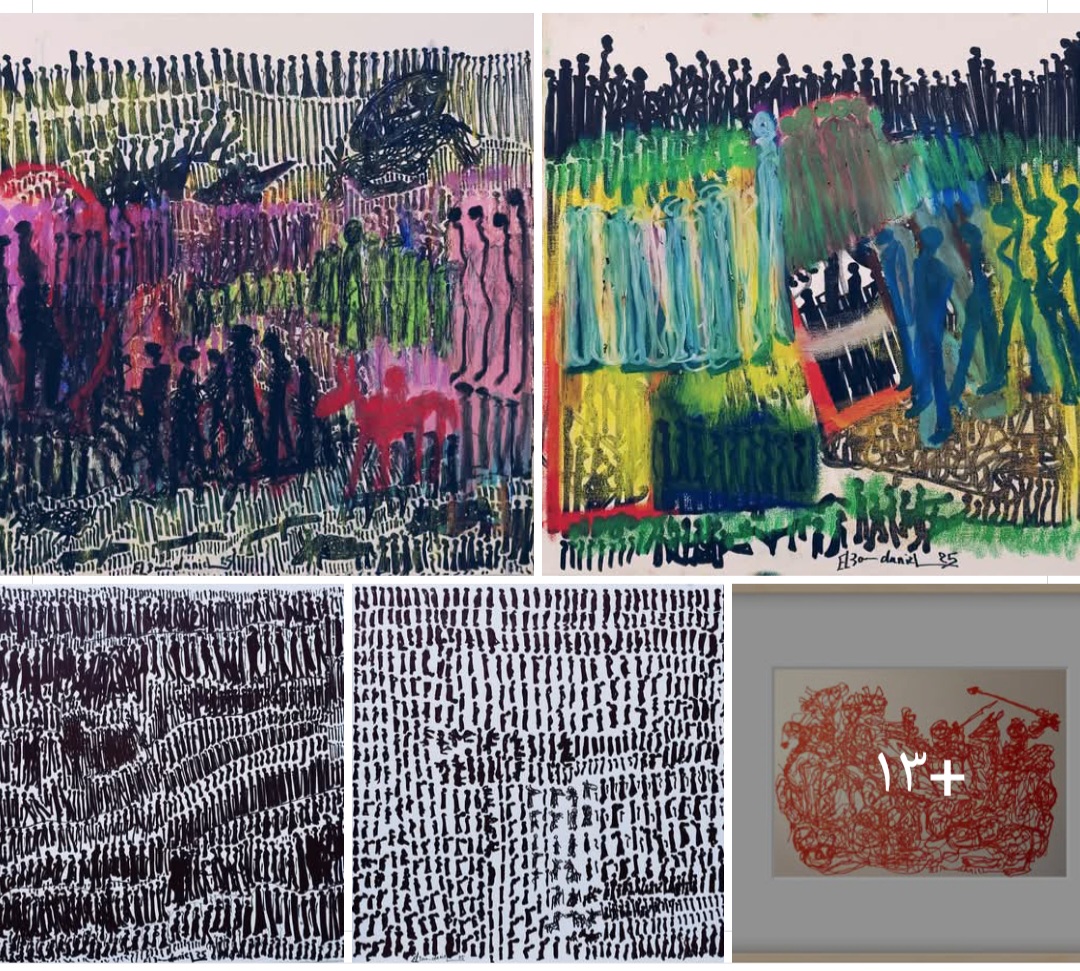
العم دانيال.. الرجل الذي حوّل الجاليري إلى وطن للفنانين
د. عصام عسيري
في تاريخ الفن لا يصنع المشهد التشكيلي الفنانون وحدهم. فبين كل جيل وجيل تظهر شخصيات لا تُعرف بفرشاتها بقدر ما تُعرف بقدرتها على اكتشاف المواهب، واحتضان التجارب، وصناعة المناخ الذي يسمح للفن بأن يولد وينمو ويزدهر. ومن بين هذه الشخصيات الاستثنائية يبرز الفنان والجاليريست المصري محمد سلمان Daniel Salmo ، المعروف للجميع باسم “العم دانيال” El 3am Daniel .
ليس غريباً أن يلتصق به هذا اللقب حتى يكاد يطغى على اسمه الحقيقي. فالرجل لم يكن بالنسبة لعشرات الفنانين مجرد صاحب قاعة عرض، بل كان أقرب إلى الأب الروحي والمرشد والصديق. ولذلك أصبح “العم دانيال” اسماً ثقافياً له دلالته الخاصة في الذاكرة التشكيلية المصرية والعربية.
في زمن تحولت فيه بعض قاعات العرض إلى ما يشبه صالات المزادات المصغرة، ظل العم دانيال مؤمناً بأن الفن قبل أن يكون سلعة هو قيمة إنسانية ورسالة ثقافية. كان ينظر إلى الفنان الشاب بوصفه مشروعاً إبداعياً يحتاج إلى الرعاية، لا مجرد منتج يحتاج إلى التسويق. ومن هنا اكتسب مكانته الاستثنائية في قلوب الفنانين قبل أن يكتسبها في دفاتر المقتنين.
لقد نجح في بناء فضاء فني مختلف؛ فضاء لا تُقاس قيمته بمساحته أو بعدد المعارض التي يقيمها، بل بنوعية العلاقات الإنسانية التي ينتجها. فكم من فنان كانت بداياته المتواضعة تجد في جدران هذا المكان فرصة للظهور الأول، وكم من تجربة ناشئة وجدت فيه الثقة التي تحتاجها لتستمر.
ومن زاوية نقدية أعمق، يمكن النظر إلى تجربة العم دانيال باعتبارها نموذجاً نادراً لما يمكن تسميته “الفن الاجتماعي”. فبينما كان الفنانون ينتجون الأعمال، كان هو ينتج المجتمع الفني نفسه. وبينما كان الآخرون يرسمون اللوحات، كان يرسم شبكة معقدة من العلاقات الثقافية والإنسانية التي سمحت لتلك اللوحات بأن تعيش وتنتشر وتؤثر.
ولعل ما يميز تجربته أنها لم تنطلق من سلطة المؤسسة، بل من سلطة المحبة. لم يكن يمتلك جهازاً بيروقراطياً ضخماً، ولا ميزانيات هائلة، ولا دعماً مؤسسياً استثنائياً. لكنه امتلك ما هو أهم: الإيمان بالفن والإيمان بالفنانين.
هذه القيمة الإنسانية هي ما جعلت العم دانيال يتحول مع الوقت إلى رمز ثقافي. فالمكان الذي صنعه لم يعد مجرد جاليري، بل صار محطة في سيرة كثير من الفنانين العرب الذين مروا به وتركوا شيئاً من ذاكرتهم على جدرانه، وأخذوا معهم شيئاً من روحه.
وفي زمن تتراجع فيه الأدوار الثقافية المستقلة أمام صعود المؤسسات الضخمة والاستثمارات الفنية العملاقة، تبدو تجربة العم دانيال تذكيراً مهماً بأن الفن لا يعيش بالمال وحده. فهناك دائماً أفراد استثنائيون يشكلون جسوراً بين الفنان والجمهور، بين الحلم والواقع، وبين العمل الفني ومصيره.
إن أهمية محمد سلمان Daniel Salmo لا تكمن فقط في عدد المعارض التي نظمها أو الفنانين الذين دعمهم، بل في كونه جسّد نموذجاً ثقافياً نادراً؛ نموذج الإنسان الذي جعل من الفن أسلوب حياة، ومن الجاليري بيتاً مفتوحاً للحوار، ومن علاقاته الإنسانية مشروعاً جمالياً قائماً بذاته.
ولهذا، حين يُكتب تاريخ الحركة التشكيلية المصرية المعاصرة، فإن اسم العم دانيال يستحق أن يُذكر ليس فقط بوصفه فناناً أو جاليريست، بل بوصفه أحد أولئك الحراس المجهولين الذين حافظوا على الروح الإنسانية للفن في زمنٍ أصبحت فيه السوق أعلى صوتاً من الجمال.
فاللوحات يمكن أن تباع، والمعارض يمكن أن تنتهي، أما الأثر الذي يتركه الإنسان في ذاكرة الفنانين فلا يغادر أبداً.
El 3am Daniel : The Man Who Turned a Gallery into a Home for Artists
Dr. Essam Asiri
The history of art is not written by artists alone. Between generations, there emerge remarkable figures whose influence extends beyond the creation of artworks themselves. They discover talent, nurture creativity, build communities, and create the cultural environments in which art can flourish. Among these rare personalities stands Egyptian artist and gallerist Mohamed Salman, affectionately known throughout the art world as “Uncle Daniel.”
Over time, the nickname became more than a personal designation; it evolved into a cultural identity. To countless artists, El 3am Daniel was never merely a gallery owner. He became a mentor, a supporter, a confidant, and, for many, a symbolic father figure within the artistic community. His reputation was built not on authority or commercial success alone, but on generosity, trust, and an unwavering belief in artists and their potential.
At a time when many galleries increasingly resemble investment platforms and commercial showrooms, El 3am Daniel remained committed to a different vision. For him, art was first and foremost a human and cultural endeavor. He viewed emerging artists not as market commodities but as creative journeys deserving encouragement and protection. This philosophy earned him something far more valuable than commercial recognition: the affection and respect of generations of artists.
What distinguished El3am Daniel was his ability to transform a gallery into a living cultural ecosystem. The value of his space was never measured by its size or by the number of exhibitions it hosted, but by the relationships it fostered. Many artists exhibited their work for the first time within its walls. Others found there the confidence needed to continue their creative paths. The gallery became a meeting place where ideas, friendships, and artistic collaborations could emerge naturally.
From a critical perspective, his contribution may be understood through the lens of what contemporary cultural theory describes as social practice. While artists produced paintings and sculptures, he helped produce the artistic community itself. While others created objects, he cultivated networks, conversations, and opportunities that enabled those objects to find meaning and audiences.
Perhaps the most remarkable aspect of his journey is that it was never built upon institutional power. He did not rely on large budgets, bureaucratic structures, or extensive corporate sponsorships. Instead, his influence emerged from personal commitment, cultural conviction, and a profound belief in the transformative power of art.
This human-centered approach gradually elevated El3am Daniel from a gallery owner to a cultural symbol. The space he created became a memorable chapter in the careers of numerous Egyptian and Arab artists. Visitors did not simply encounter artworks there; they encountered an atmosphere of openness, dialogue, and genuine artistic camaraderie.
In an era increasingly dominated by large-scale art institutions, global fairs, and market-driven priorities, El3am Daniel’s legacy serves as an important reminder that art does not survive on commerce alone. Behind every vibrant artistic movement stand individuals who quietly build bridges between artists and audiences, dreams and realities, creativity and opportunity.
The significance of Mohamed Salman lies not merely in the exhibitions he organized or the artists he supported, but in the cultural model he embodied. He transformed the gallery into a place of belonging, artistic dialogue, and collective growth. He demonstrated that nurturing creativity can itself be a form of artistic practice.
When the history of contemporary Egyptian art is written, El3am Daniel deserves recognition not only as an artist or a gallerist, but as one of those rare cultural guardians who preserved the human spirit of art during a period when the language of the market often threatened to overshadow the language of beauty.
Artworks may be sold, exhibitions may close, and trends may fade. Yet the impact of a person who believes deeply in artists and their dreams remains long after the walls have been emptied. In that sense, El3am Daniel’s greatest masterpiece may not be an artwork at all—it may be the artistic community he helped create.