ميناء عمره 4600 عام… غير ما نعرفه عن تاريخ الملاحة
قبل أن تعرف الإمبراطوريات الكبرى الموانئ المنظمة… كان المصريون القدماء قد شيدوا واحدا من أعظم مشروعاتهم على ساحل البحر الأحمر.
لكن القصة الحقيقية لم تبدأ بالميناء… بل ببضع لفائف من البردي غيّرت فهمنا لتاريخ الحضارة.
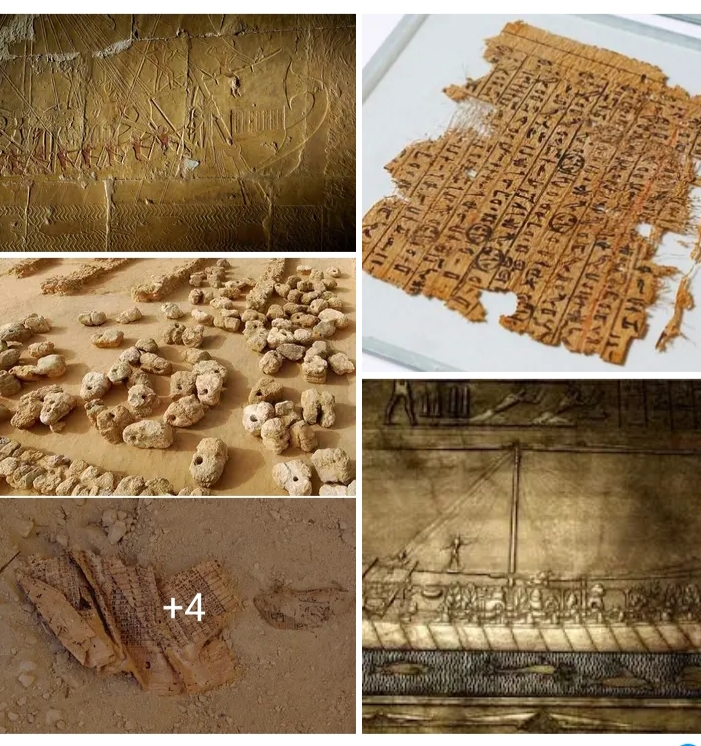
في عام 2013، أعلن عالم الآثار الفرنسي بيير تاليه عن اكتشاف برديات استثنائية في وادي الجرف، تعود إلى عهد الملك خوفو (نحو 2600 ق.م). وقد عُثر عليها داخل ما يُعد أقدم ميناء بحري معروف حتى الآن.
وعندما نجح الباحثون في قراءة هذه البرديات، اكتشفوا يوميات المفتش مرر، وهو مسؤول إداري كان يسجل تفاصيل عمله اليومية بدقة لافتة: مواعيد إبحار السفن، وحركة نقل الأحجار، وأماكن التوقف، وتنظيم فرق العمل.
لم تكن هذه مجرد مذكرات شخصية، بل سجل إداري يكشف كيف أدارت الدولة المصرية مشروعاتها الكبرى بكفاءة قبل أكثر من 4600 عام. وتُعد هذه البرديات أقدم البرديات المصرية المكتشفة حتى الآن، ومن أهم المصادر التي تساعدنا على فهم عصر بناء الهرم الأكبر.
ولم يكن البحر بالنسبة للمصري القديم حاجزا، بل طريقا للتجارة والاستكشاف. فقد انطلقت عبر البحر الأحمر بعثات التعدين إلى سيناء، وازدهرت التجارة البحرية المصرية عبر العصور مع مناطق مثل بلاد بونت وشرق البحر المتوسط.
عندما ننظر إلى هذه الوثائق اليوم، ندرك أن قوة الحضارات لا تُبنى بالحجر وحده، بل بالتخطيط والإدارة والمعرفة.
برأيك… ما الذي يمكن أن نتعلمه اليوم من قدرة المصريين القدماء على تنظيم مشروعاتهم الكبرى؟
منصة هوية#هوية #واديالجرف #خوفو #مصرالقديمة #التراثالمصري #علمالآثار #الحضارة_المصرية #AncientEgypt #Egyptology
A 4,600-year-old harbor…rewriting the history of seafaring.
Long before the great empires built organized seaports, the ancient Egyptians had already established one of history’s most remarkable maritime hubs on the Red Sea.
Yet the real story didn’t begin with the harbor; it began with a collection of papyrus scrolls that transformed our understanding of ancient Egypt.
In 2013, French archaeologist Pierre Tallet announced the discovery of extraordinary papyri at Wadi el-Jarf, dating to the reign of King Khufu (around 2600 BCE). They were found inside what is currently recognized as the oldest known seaport in the world.
When scholars deciphered these documents, they uncovered the diary of Inspector Merer, an Egyptian official who carefully recorded the daily operation of royal projects: the movement of ships, the transportation of stone, overnight stops, and the organization of work crews.
These were far more than personal notes—they were administrative records revealing how the Egyptian state managed large-scale projects with remarkable efficiency over 4,600 years ago. Today, the Wadi el-Jarf papyri are the oldest papyri ever discovered in Egypt and among the most important sources for understanding the construction era of the Great Pyramid.
For the ancient Egyptians, the sea was never a barrier. It was a gateway to trade, exploration, and economic growth. From the Red Sea, mining expeditions sailed to Sinai, while maritime trade connected Egypt with the Land of Punt and the eastern Mediterranean.
Looking at these documents today reminds us that great civilizations are built not only with stone—but also with knowledge, planning, and organization.
What lessons can modern societies learn from the way the ancient Egyptians managed their great national projects?