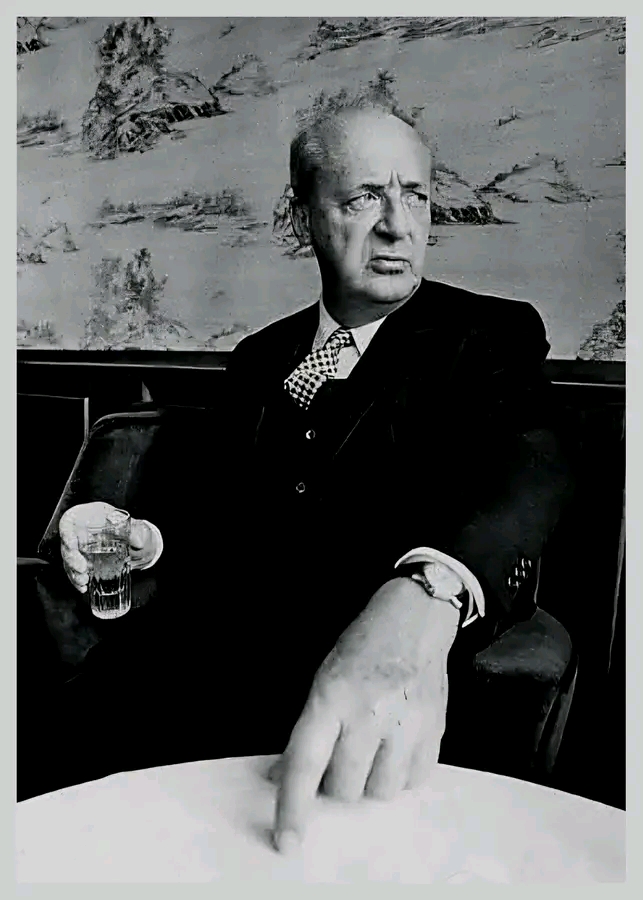
عن الترجمة| فلاديمير نابوكوف، مُترجم بوشكين -وغيره- إلى الإنجليزية: “يمكن تمييز ثلاث درجات من السوء في العالم الغريب لانتقال النصوص من لغة إلى أخرى. وتتمثل الدرجة الأولى -وهي الأقل وطأة- في الأخطاء الواضحة الناجمة عن الجهل أو المعرفة المغلوطة؛ فهذا مجرد ضعف بشري، وبالتالي فهو أمر يمكن التغاضي عنه. أما الخطوة التالية نحو الجحيم فيخطوها المترجم الذي يتعمد تخطي كلمات أو فقرات لم يكلف نفسه عناء فهمها، أو التي قد تبدو غامضة أو بذيئة في نظر قراء يتصورهم بشكل مبهم؛ إذ يتقبل -دون أي وخز ضمير- ما يمليه عليه القاموس من معانٍ جامدة ومجردة، أو يُخضِع الأمانة العلمية لمقتضيات التحفظ والتهذيب المصطنع؛ فهو مستعد تماماً لأن يعرف أقل مما عرفه المؤلف، بقدر استعداده للاعتقاد بأنه يفهم الأمر على نحو أفضل. وتُبلغ الدرجة الثالثة -والأسوأ- من القبح حين يُعاد صقل عمل أدبي عظيم وتشكيله، وتُضفى عليه مسحة تجميلية دنيئة، ليتماشى مع أفكار جمهور معين وأحكامه المسبقة؛ وتلك جريمة تستوجب العقاب بالتشهير العلني (كوضع المذنب في “الخشبية” أو المقصلة الخشبية)، تماماً كما كان يُعاقب منتحلو الأعمال الأدبية في العصور الغابرة.”. . . “يمكننا الآن استخلاص السمات التي يجب أن يتحلى بها المترجم ليتمكن من تقديم نسخة مثالية لعمل أجنبي عظيم. ففي المقام الأول، لا بد أن يتمتع بقدر من الموهبة -أو على الأقل بنوع الموهبة ذاته- يضاهي ما لدى المؤلف الذي اختاره؛ وفي هذا الجانب تحديداً -وإن كان هذا الجانب وحده- شكّل كل من بودلير وبو، أو جوكوفسكي وشيلر، ثنائيات مثالية. وثانياً، يجب أن يكون المترجم على دراية تامة بكلا الشعبين واللغتين المعنيتين، وأن يحيط إحاطة شاملة بكل التفاصيل المتعلقة بأسلوب المؤلف وطرق عمله، فضلاً عن الخلفية الاجتماعية للكلمات، وأنماط استخدامها، وتاريخها، ودلالاتها المرتبطة بحقبة زمنية معينة. وهذا يقودنا إلى النقطة الثالثة: فإلى جانب تمتعه بالعبقرية والمعرفة، يجب أن يمتلك المترجم موهبة المحاكاة والقدرة على تقمص دور المؤلف الحقيقي -إن جاز التعبير- عبر تقليد سماته في السلوك والحديث، وطباعه وطريقة تفكيره، بأقصى درجات الإقناع والمحاكاة للواقع.”–from Nabokov’s 1941 essay “The Art of Translation“Vladimir Nabokov, English translator of Pushkin, among others:Three grades of evil can be discerned in the queer world of verbal transmigration. The first, and lesser one, comprises obvious errors due to ignorance or misguided knowledge. This is mere human frailty and thus excusable. The next step to Hell is taken by the translator who intentionally skips words or passages that he does not bother to understand or that might seem obscure or obscene to vaguely imagined readers; he accepts the blank look that his dictionary gives him without any qualms; or subjects scholarship to primness: he is as ready to know less than the author as he is to think he knows better. The third, and worst, degree of turpitude is reached when a masterpiece is planished and patted into such a shape, vilely beautified in such a fashion as to conform to the notions and prejudices of a given public. This is a crime, to be punished by the stocks as plagiarists were in the shoebuckle days.. . .We can deduce now the requirements that a translator must possess in order to be able to give an ideal version of a foreign masterpiece. First of all he must have as much talent, or at least the same kind of talent, as the author he chooses. In this, though only in this, respect Baudelaire and Poe or Joukovsky and Schiller made ideal playmates. Second, he must know thoroughly the two nations and the two languages involved and be perfectly acquainted with all details relating to his author’s manner and methods; also, with the social background of words, their fashions, history and period associations. This leads to the third point: while having genius and knowledge he must possess the gift of mimicry and be able to act, as it were, the real author’s part by impersonating his tricks of demeanor and speech, his ways and his mind, with the utmost degree of verisimilitude.–from Nabokov’s 1941 essay “The Art of Translation“ #القراءة_أسلوب_حياة #الكتب_خان_للنشر #مكتبة_الكتب_خان#مجلة ايليت فوتو ارت.