
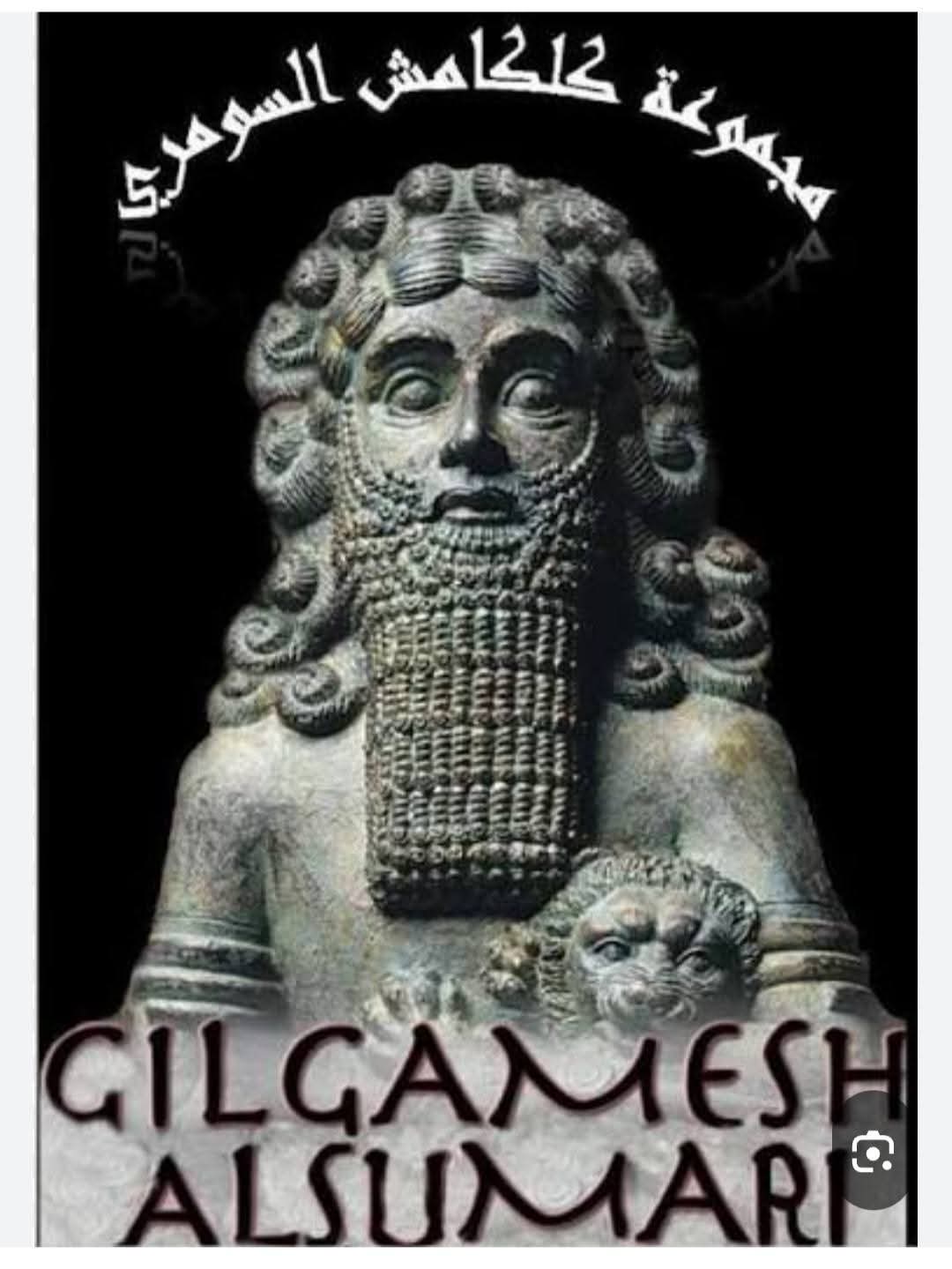
ا《{من هو كاتب ملحمة[جلجامش ]الخالدة }》☆كلنا يعرف وقرأ ملحمة “جلجامش” ومن لم يقرئها فلقد سمِع بها(ملحمة الحياة والموت والخلود) ***أِن الذي يُنسَب إليه تدوين النسخة الأكادية القياسية لملحمة جلجامش هو “سين-لقي-ونيني” (Sîn-lēqi-unninni). فيما يلي أهم الحقائق المتعلقة به وبالملحمة وفقاً لبيانات 2026:هويته: كان كاهناً مَرقيّاً (طبيباً طارداً للأرواح الشريرة) من مدينة أوروك، وعاش في الفترة ما بين 1300 و1000 قبل الميلاد.دَورَهُ الأدبي: لم يخترع الملحمة من العَدَم، بل قام بجمع وتحرير وصياغة القصص السومرية والأكادية القديمة في نص أدبي موحد متكامل عُرف بـ “النسخة القياسية”.مطلع الملحمة: النسخة التي دوّنها تبدأ بعبارة. “((هو الذي رأى كل شيء فغَنى بذِكرة يا بلادي هو الذي عرف جميع الأشياء وأفاد من عِبرِها وهو الحكيم العارِف بكل شيئلقد أبصَر الأسرار وكشَفَ عن الخفايا المكتومةوجاء بأنباء ماقبل الطوفان لقد سلَك طرقاً بعيدة مُتقلبًا مابين التعب والراحةفنقَشَ في نُصُبٍ من الحجَر كل ماعاناة وخَبِرةبنى أسوار أوروك المحصّنة وحَرَم (اي_أنا) المقدّس والمعبد الظاهِر فانظر الى سوره الخارجي تجد افاريزه تتألق كالنحاس وأنعِم النظر في سوره الداخلي الذي لايماثله شيئ.))”ملحمة جلجامش” _اللوح الأول” (ša naqba īmuru)، وتتكون من 12 لوحاً طينياً.الاكتشاف: عُثر على ألواح هذه النسخة في مكتبة الملك الآشوري آشوربانيبال في نينوى عام 1853م. ●//@نشر بتصرف:- sttar-alfatlawy 7,1,2026. ●// المصدر:- أثار وادي الرافدين. Who is the author of the immortal epic of Gilgamesh? We all know and have read the Epic of Gilgamesh, and those who haven’t have certainly heard of it (the epic of life, death, and immortality). The one credited with writing down the Standard Akkadian Version of the Epic of Gilgamesh is Sin-lēqi-unninni.Here are the most important facts about him and the epic, according to 2026 data:His identity: He was a Marcian priest (exorcist) from the city of Uruk, and he lived between 1300 and 1000 BCE.His literary role: He did not invent the epic from nothing, but rather collected, edited, and formulated ancient Sumerian and Akkadian stories into a unified and complete literary text known as the Standard Version. The epic begins: The version he wrote starts with the words: “He who saw everything sang of my homelandHe who knew all things and learned from their lessonsHe is the wise one, all-knowingHe saw the secrets and revealed the hidden mysteriesHe brought news of the time before the FloodHe traveled long roads, alternating between weariness and restHe inscribed on a stone monument all that he suffered and experiencedHe built the fortified walls of UrukAnd the sacred sanctuary of E-ana and the visible templeLook at its outer wall, you will find its cornices shining like copperAnd gaze upon its inner wall, which has no equal.”“The Epic of Gilgamesh” – Tablet One (ša naqba īmuru), consisting of 12 clay tablets. Discovery: The tablets of this copy were found in the library of the Assyrian King Ashurbanipal in Nineveh in 1853 AD. ●//@Published with permission: sttar-alfatlawy 7, 1, 2026. ●// Source: Antiquities of Mesopotamia.¿Quién es el autor de la epopeya inmortal de Gilgamesh? Todos conocemos y hemos leído la Epopeya de Gilgamesh, y quienes no la conocen seguramente han oído hablar de ella (la epopeya de la vida, la muerte y la inmortalidad). A quien se le atribuye la redacción de la Versión Estándar Acadia de la Epopeya de Gilgamesh es Sin-lēqi-unninni.A continuación, los datos más importantes sobre él y la epopeya, según datos de 2026:Su identidad: Fue un sacerdote marciano (exorcista) de la ciudad de Uruk, que vivió entre el 1300 y el 1000 a. C.Su función literaria: No inventó la epopeya de la nada, sino que recopiló, editó y formuló antiguas historias sumerias y acádicas en un texto literario unificado y completo conocido como la Versión Estándar.La epopeya comienza: La versión que escribió empieza con las palabras: “Quien todo lo vio cantó sobre mi patriaQuien todo lo sabía y aprendió de sus leccionesEs el sabio, omniscienteVio los secretos y reveló los misterios ocultosTrajo noticias del tiempo anterior al DiluvioRecorrió largos caminos, alternando entre el cansancio y el descansoInscribió en un monumento de piedra todo lo que sufrió y experimentóConstruyó las murallas fortificadas de UrukY el santuario sagrado de E-ana y el templo visibleMira su muro exterior, encontrarás sus cornisas relucientes como el cobreY contempla su muro interior, que no tiene igual”.“La Epopeya de Gilgamesh” – Tablilla Uno (ša naqba īmuru), compuesta por 12 tablillas de arcilla.Descubrimiento: Las tablillas de esta copia se encontraron en la biblioteca del rey asirio Asurbanipal en Nínive en 1853 d. C. ●//@Publicado con permiso: sttar-alfatlawy 7, 1, 2026. ●// Fuente: Antigüedades de Mesopotamia.
#حضارات الشرق الادنى القديمة
#مجلة ايليت فوتو ارت


