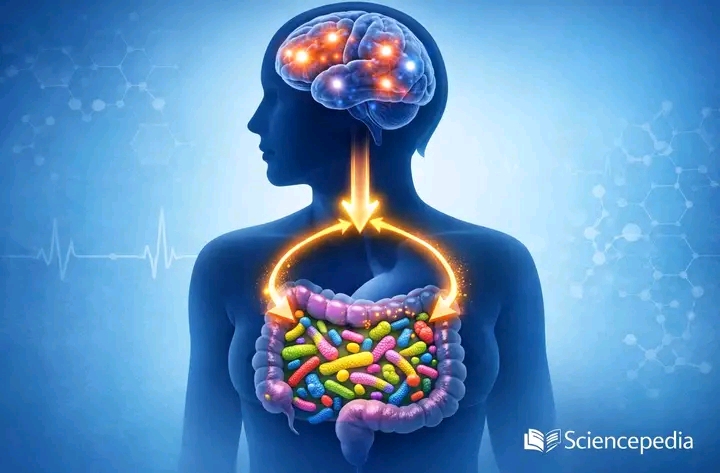
فقدان الوزن يغير دماغك: اكتشاف التزامن بين الأمعاء والعقل!لطالما اعتقدنا أن فقدان الوزن يتعلق بالحمية والسعرات الحرارية، لكن دراسة حديثة نشرت في مجلة Frontiers in Cellular and Infection Microbiology عام 2023 كشفت عن حقيقة أعمق: فقدان الوزن يعيد “برمجة” الدماغ والأمعاء معاً [1].محور الدماغ-الأمعاء-الميكروبيوم (BGM Axis)أجرى الباحثون دراسة على 25 شخصاً يعانون من السمنة، اتبعوا نظاماً غذائياً مقيداً للطاقة بشكل متقطع (IER) لمدة شهرين. وقد نجح المشاركون في فقدان ما معدله 7.6 كيلوغرامات من وزنهم. لكن النتائج الأكثر إثارة كانت التغيرات التي حدثت داخل أجسادهم.أظهرت فحوصات الرنين المغناطيسي الوظيفي (fMRI) أن فقدان الوزن أدى إلى انخفاض نشاط مناطق الدماغ المرتبطة بالسمنة وشهية الطعام، مثل التلفيف الجبهي السفلي. هذه التغيرات في نشاط الدماغ لم تكن ثابتة، بل كانت ديناميكية وتحدث بالتزامن مع التغيرات في ميكروبيوم الأمعاء.الميكروبيوم: الشريك الصامت في رحلة الرشاقةبالتوازي مع التغيرات الدماغية، كشف تحليل عينات البراز عن تحولات كبيرة في توازن البكتيريا المعوية. فقد لوحظت زيادة في أعداد البكتيريا المفيدة، مثل Faecalibacterium prausnitzii و Parabacteroides distasonis، وهي بكتيريا معروفة بدورها في تعزيز صحة الأمعاء والتمثيل الغذائي. وفي المقابل، انخفضت أعداد البكتيريا الضارة، مما يشير إلى تحسن شامل في صحة الأمعاء [1].تؤكد هذه الدراسة أن فقدان الوزن ليس مجرد عملية حسابية بسيطة، بل هو عملية بيولوجية معقدة تتضمن تزامنًا عالياً بين الدماغ والأمعاء. هذا الاكتشاف يفتح الباب أمام استراتيجيات علاجية جديدة لا تستهدف فقط السعرات الحرارية، بل تستهدف أيضاً محور الدماغ-الأمعاء-الميكروبيوم لتحقيق نتائج أكثر استدامة وفعالية.____________________Weight Loss Rewires Your Brain: The Synchronized Gut-Mind Connection!We often think of weight loss purely in terms of diet and calories, but a groundbreaking 2023 study published in Frontiers in Cellular and Infection Microbiology revealed a deeper truth: weight loss dynamically rewires both the brain and the gut [1].The Brain-Gut-Microbiome (BGM) AxisResearchers conducted a study on 25 obese individuals who followed an Intermittent Energy Restriction (IER) diet for two months. Participants successfully lost an average of 7.6 kg (about 16 pounds). However, the most exciting findings were the internal changes that occurred.Functional MRI (fMRI) scans showed that weight loss led to a reduction in activity in brain regions associated with obesity and food craving, such as the inferior frontal gyrus. These changes in brain activity were not static; they were dynamic and occurred in synchronization with changes in the gut microbiome.The Silent Partner in Weight Loss: The MicrobiomeParallel to the brain changes, analysis of fecal samples revealed significant shifts in the balance of gut bacteria. There was an increase in beneficial bacteria, such as Faecalibacterium prausnitzii and Parabacteroides distasonis, known for their roles in promoting gut health and metabolism. Conversely, the abundance of harmful bacteria decreased, indicating an overall improvement in gut health [1].This study confirms that weight loss is not a simple calculation; it is a complex biological process involving high synchronization between the brain and the gut. This discovery paves the way for new therapeutic strategies that don’t just target calories but also focus on the Brain-Gut-Microbiome axis for more sustainable and effective results.#HumanStory #LifeSaved #MedicalMiracle #ParamedicLife #FullCircle #Gratitude #fblifestyle #WeightLoss #GutHealth #BrainHealth # مجلة العلم # مجلة ابليت فوتو ارت