🐆 شبح “جوبة النمر”… عندما تتحدث الجغرافيا السورية
في قرية الحيلونة، بريف مصياف الغربي، وتحديداً على طريق الصويرات…
هناك أرض يردد اسمها أجدادنا دائماً: “جوبة النمر”.
هذا الاسم ليس مجرد مصادفة عابرة… بل هو وثيقة جغرافية حية تؤكد أن هذه الغابات الوعرة كانت المأوى التاريخي الأخير لـالنمر السوري (الأنطولي – Panthera pardus tulliana) قبل اختفائه التدريجي.
📜 النمر السوري… من هو؟
النمر السوري هو نمر بري ضخم، يتميز بفرائه السميك ذي اللون الفاتح المائل للأصفر الباهت أو الرمادي، مع رقط دائرية سوداء متباعدة، تكيفاً مع البيئات الجبلية الصخرية والمثلجة شتاءً.
وقد كانت الجبال الساحلية وجبال مصياف الغربية، ببيئتها الوعرة وغاباتها الكثيفة، بيئة مثالية له للاختباء والصيد.
📅 التسلسل الزمني لاختفاء النمر السوري
🔸 قبل الخمسينيات… عصر السيادة:
كان النمر السوري هو المفترس الأول والأقوى في غابات مصياف والساحل. تذكر الروايات أنه كان يعيش بكثافة تعادل 10 أضعاف وجود الدب البني السوري.
🔸 فترة الخمسينيات والستينيات:
كان لسماع “نهدات” وزئير النمر صدىً مألوفاً بين السكان في غابات الساحل ومصياف.
🔸 عام 1963… رصاصة الانقراض الفعلي:
تُجمع الأبحاث الأكاديمية الدولية على أن هذا العام شهد اصطياد وقتل آخر نمر سوري مؤكد في غابات جبال الساحل، ليُعلن بعدها علمياً “منقرضاً وظيفياً” داخل البلاد.
🔸 فترة السبعينيات… الصمت الكبير:
اختفاء تام لزئير النمر من الوديان السحيقة نتيجة توسع التحطيب الجائر وشق الطرق الجبلية.
🔸 عام 2002… رصد الشبح الأخير:
سجلت الأبحاث البيئية الميدانية شهادات موثوقة لأهالي منطقة مقامات بني هاشم (شرق جبلة) أفادوا فيها برؤية عينية لنمر وحيد منعزل.
🔸 عام 2005… البصمة الأخيرة:
العثور على أدلة ميدانية (بقايا فريسة معلقة على ارتفاع شاهق فوق جذع شجرة)، وهو السلوك الغريزي الحصري للنمر دون غيره من مفترسات المنطقة.
🔍 “جوبة النمر” و”جوبة الوحش”… حكاية صراع بري قديم
والأكثر إثارة في جبال الحيلونة، هو وجود أرضين متلاصقتين تماماً تحملان أسماءً تروي حكاية صراع بري قديم: “جوبة النمر” وبجوارها مباشرة “جوبة الوحش”.
“الجوبة” بتضاريسها الصخرية المغلقة كانت المأوى الحصين للمفترسات. وتلاصقهما يوثق كيف كانت جبالنا مسرحاً حياً للتنافس بين النمر السوري وبقية ضواري المنطقة (كالضبع المخطط )، حيث فرض كل كائن هيبته على جوبته الخاصة.
🌿 النمر… “المسالم” مع البشر
على عكس السمعة المخيفة للنمور، يُجمع كبار السن والباحثون في التراث البيئي السوري على أن النمر السوري لم يسجل أي تاريخ من الهجمات أو الاعتداءات على البشر؛ بل كان يتجنب مواجهتهم تماماً ويفر عند إحساسه بوجودهم.
وكان يعتمد في غذائه الأساسي على الخنازير البرية، الماعز الجبلي، والأيائل، وفي بعض الأحيان قد يهاجم المواشي الكبيرة عند نقص فرائسه الطبيعية.
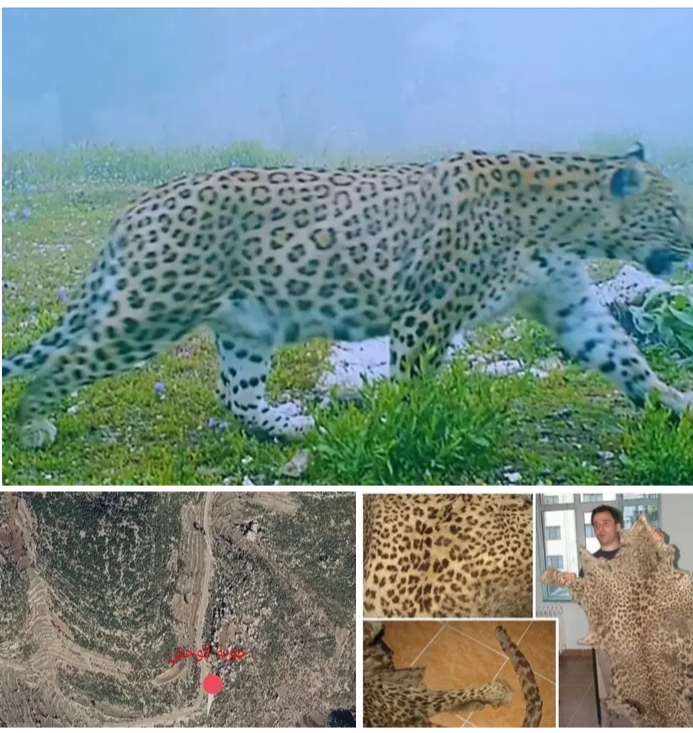
📸 الصور: هذا هو شكل النمر السوري (الأنطولي) كما التقطته الكاميرات الفخارية مؤخراً في الجبال التركية، وهو نفس الشبح الذي عاش يوماً في “جوبة النمر” بالحيلونة.
🌿 الجغرافيا لا تنسى… الأسماء شواهد حية
لقد رحل النمر بجسده، لكنه خَلّد اسمه في تضاريس أرضنا.
عندما نمشي اليوم على طريق الصويرات ونقول “جوبة النمر”، فنحن لا ننطق مجرد اسم لموقع جغرافي، بل نفتح صفحة من تاريخ جبال الحيلونة يوم كانت غاباتها تهتز لزئيره.
الأسماء في القرى هي الشاهد الحي الأخير على زمن العزة البيئية، ورسالة مشفرة تركها لنا الأجداد لنعرف مَن سكن هذه الأرض قبلنا.. ومَن وجب علينا حماية ذكراه.
📸 من عدسة Syrian Wild Lens
❓ هل سمعتم بـ”جوبة النمر” من قبل؟ وهل تعرفون حكايات أخرى عن مفترسات جبالنا؟ شاركونا… فالحكاية لم تنتهِ بعد. 🐆🌿
🚀 الرحلة مستمرة… إذا كنت تعشق أسرار السماء وتراث الأرض، اضغط على زر “متابعة” لتكون معنا في التوثيق القادم لـ Syrian Wild Lens. 🌿📸
🐆 The Ghost of “Jawbat Al-Nimr”… When Syrian Geography Speaks
In our village Al-Helouneh, in Misyaf’s western countryside, specifically on the Al-Suwayrat road…
There is a land whose name our ancestors always repeated: “Jawbat Al-Nimr” (The Leopard’s Hollow).
This name is not a passing coincidence… but a living geographical document confirming that these rugged forests were the last historical refuge of the Syrian Leopard (Anatolian – Panthera pardus tulliana) before its gradual disappearance.
📜 Who Is the Syrian Leopard?
The Syrian Leopard is a large wild leopard, distinguished by its thick fur with a light color tending to pale yellow or gray, with spaced black circular spots, adapted to rocky and snowy mountain environments.
The coastal mountains and Misyaf’s western mountains, with their rugged environment and dense forests, were an ideal habitat for it to hide and hunt.
📅 Timeline of the Syrian Leopard’s Disappearance
🔸 Before the 1950s… Era of Dominance:
The Syrian Leopard was the first and strongest predator in Misyaf and coastal forests. Narratives mention it lived at a density 10 times that of the Syrian Brown Bear.
🔸 1950s and 1960s:
The sound of the leopard’s “roars” was familiar among residents in the coastal and Misyaf forests.
🔸 1963… The Actual Extinction Bullet:
International academic research agrees that this year witnessed the hunting and killing of the last confirmed Syrian Leopard in the coastal mountain forests, after which it was declared scientifically “functionally extinct” within the country.
🔸 1970s… The Great Silence:
Complete disappearance of the leopard’s roar from deep valleys due to expanding illegal logging and mountain road construction.
🔸 2002… The Last Ghost Sighting:
Environmental field research recorded reliable testimonies from residents of Maqamat Bani Hashem (east of Jableh) who reported seeing a single isolated leopard.
🔸 2005… The Last Trace:
Finding field evidence (prey remains hanging at a high elevation on a tree trunk), a unique instinctive behavior of the leopard alone among the region’s predators.
🔍 “Jawbat Al-Nimr” and “Jawbat Al-Wahsh”… A Tale of Ancient Wild Conflict
What is most striking in Al-Helouneh’s mountains is the presence of two adjacent lands bearing names that tell a story of ancient wild conflict: “Jawbat Al-Nimr” and directly next to it “Jawbat Al-Wahsh”.
The “Jawba” with its enclosed rocky terrain was a fortified refuge for predators. Their adjacency documents how our mountains were a living arena for competition between the Syrian Leopard and other predators of the region (like the Striped Hyena or Brown Bear), where each creature imposed its dominance over its own hollow.
🌿 The Leopard… “Peaceful” with Humans
Contrary to the fearsome reputation of leopards, elders and researchers in Syrian environmental heritage agree that the Syrian Leopard recorded no history of attacks or assaults on humans; it completely avoided confrontation and would flee when sensing their presence.
It relied in its diet primarily on wild boars, mountain goats, and deer, and sometimes attacked large livestock when natural prey was scarce.
📸 Photos: This is what the Syrian Leopard (Anatolian) looks like, as recently captured by camera traps in the Turkish mountains, the same ghost that once lived in “Jawbat Al-Nimr” in Al-Helouneh.
🌿 Geography Does Not Forget… Names Are Living Witnesses
The leopard has departed with its body, but it immortalized its name in the terrain of our land.
When we walk today on the Al-Suwayrat road and say “Jawbat Al-Nimr”, we are not uttering just a name of a geographical location, but opening a page from the history of Al-Helouneh’s mountains when its forests trembled with its roar.
Names in villages are the last living witness to an era of environmental glory, and an encrypted message left by our ancestors so we know who inhabited this land before us… and whose memory we must protect.
📸 Through the lens of Syrian Wild Lens
❓ Have you heard of “Jawbat Al-Nimr” before? Do you know other stories about our mountains’ predators? Share with us… for the tale is not over yet. 🐆🌿
🚀 The journey continues… If you love the secrets of the sky and the heritage of the land, hit “Follow” to join us in the next documentation by Syrian Wild Lens. 🌿📸
#جوبة_النمر #النمر_السوري #النمر_الأنطولي #الحيلونة #مصياف #طريق_الصويرات #جوبة_الوحش #الحياة_البرية #الانقراض #التراث_البيئي #SyrianWildLens #JawbatAlNimr #SyrianLeopard #AnatolianLeopard #PantheraPardusTulliana #AlHelouneh #Misyaf #AlSuwayrat #JawbatAlWahsh #Wildlife #Extinction #EnvironmentalHeritage #SyrianNature #SyrianHistory #Predators #Conservation #Biodiversity #SyrianMountains #MiddleEastWildlifeمجلة ايليت فوتو ارت.