“مختارات من الأدب العالمي: قصة قصيرة لأنطون تشيخوف، البؤس 1886م. نرجو أن تكون قراءة ملهمة.”
بقلم وترجمة: جيني حسين علي
~
“البؤس” (توسكا) لأنطون تشيخوف
البؤس والتي تترجم أحيانًا إلى “وجع القلب” أو “في الوادي” ، هي قصيرة لتشيخوف تستكشف التواضع والقوة الكامنة في القلوب الوديعة، فإنّها تعد تحفة تشيخوف الخالدة، وهي قصة عميقة
.ومؤثرة نُشرت عام ١٨٨٦.
تدور أحداث القصة حول سائق عربة خيل فقير ومتواضع يُدعى إيونا بوتابوف، يقود عربته في منتصف شتاء سانت بطرسبرغ القارس المُغطى بالثلوج.
إيونا رجل هادئ للغاية، مُحطّم القلب. فقد توفي ابنه الصغير قبل أيام قليلة، ويحمل إيونا في صدره جبلاً ثقيلاً من الحزن الخانق. ولأنه عامل فقير ومتواضع في قاع المجتمع، لا أحد يلاحظ ألمه. يقود إيونا ركابًا مختلفين في أرجاء المدينة الصاخبة والمزدحمة طوال اليوم والليل:
يقابل ضابط عسكري متغطرس يصرخ عليه ليقود أسرع. ثم، مجموعة من ثلاثة شبان وقحين يسخرون من قبعته القديمة، بل ويضربونه على مؤخرة رقبته لأنه يسير ببطء شديد.
في كل مرة يصعد فيها أحدهم إلى عربته، يستدير إيونا بنظرة اتضاع شديد، ويحاول أن يهمس بحقيقته المُفجعة: “توفي ابني هذا الأسبوع”.
لكن العالم الثري المتسرع لا يكترث. يتجاهلونه، ويلعنونه، أو يغمضون أعينهم ليناموا. المجتمع المحيط به أعمى تمامًا عن معاناته لأنه ببساطة يفتقر إلى المكانة الاجتماعية. إنه وحيد تمامًا في مدينة مكتظة.
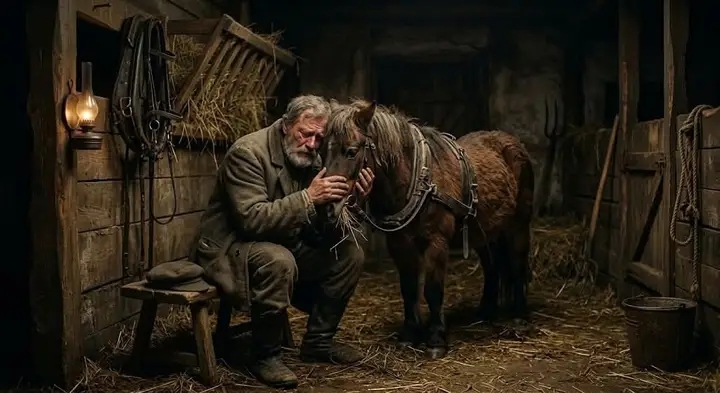
في نهاية الليل، وبعد أن عجز عن إيجاد إنسان واحد يصغي إلى مكنون قلبه المكسور، عاد إيونا إلى الإسطبلات الباردة المظلمة. توجه نحو فرسه الصغيرة النحيلة، الحيوان الذي كان يعمل بإخلاص بجانبه في الثلج طوال اليوم.
بتواضع عميق، بدأ يربت على أنفها ويتحدث إليها كما لو كانت أقرب رفيقة له:
“هكذا هي الأمور يا عزيزتي… لقد رحل كوزما إيونيتش… مات… الآن، لنفترض أن لديكِ مهرًا صغيرًا، وكنتِ أمه… وفجأة، لنفترض، مات ذلك المهر الصغير… ستشعرين بالحزن، أليس كذلك؟
مضغت الفرس قشها بهدوء، ونفخت أنفاسها الدافئة على يديه المتجمدتين، وأصغت إليه.
في ذلك المشهد الأخير المفجع، يجد الأب المكلوم نفسه مضطراً لتجاوز النطاق البشري برمته، فلا يجد أذناً صاغية إلا لدى حيوان صامت يتنفس. وباح إيونا بكل ما في قلبه لفرسه.
تلك الصورة الأخيرة – لرجلٍ رُفض وسُخر منه وتجاهله العالم “المحترم” بأكمله، جاثيًا في الظلام يُشارك أعمق أحزانه الإنسانية مع حصانٍ هادئٍ صبور – هي من أجمل المشاهد وأكثرها إيلامًا في الأدب العالمي.
جرّد تشيخوف المرء من كل الأقنعة الاجتماعية ليُظهر أن حاجة الروح الإنسانية إلى التواصل الصادق والحقيقي أسمى بكثير من أي قواعد أو تقاليد أو ثروة.
تحرير وترجمة: #جينيحسينعلي
A selection from world literature: Chekhov’s short story “Misery”, 1886. May it provide an insightful read.
By: Jenny Hussien Ali
~
“Misery” (Тоска)
Misery, sometimes translated as “Heartache” or “In the Valley,” is a short story by Chekhov that explores the humility and the quiet strength inherent in meek hearts. It is considered Chekhov’s timeless masterpiece, a profound and moving story published in 1886.
The story follows a very poor, humble horse-carriage driver named Iona Potapov in the middle of a freezing, snow-covered St. Petersburg winter. Iona is an incredibly quiet, broken-man. His young son has died just a few days before, and Iona is carrying a heavy, suffocating mountain of grief in his chest.
Because he is a poor, humble worker at the absolute bottom of society, nobody notices his pain. He drives different passengers around the noisy, busy city all day and all night:
He met at first, an arrogant military officer who shouts at him to drive faster. Then, a group of three rude, young men who mock his old hat and even hit him on the back of his neck because he moves too slowly.
Each time someone gets into his carriage, Iona turns around with a look of immense humility and tries to whisper his tragic truth: “My son died this week.”
But the wealthy, hurried world doesn’t care. They ignore him, curse at him, or shut their eyes to sleep. The society around him is entirely blind to his suffering because he simply lacks social status. He is utterly alone in a crowded city.
At the end of the night, unable to find a single human being who will listen to his broken heart, Iona returns to the cold, dark stables. He walks over to his little, thin horse—the animal that has been working faithfully beside him in the snow all day.
With profound humility, he begins to pet the horse’s nose and speaks to her as if she were his truest companion:
“That’s how it is, old girl… Kuzma Ionitch is gone… He went and died… Now, let’s say you had a little colt, and you were that colt’s mother… and suddenly, let’s say, that same little colt went and died… You’d be sorry, wouldn’t you?”
The horse quietly chews her hay, breathes her warm breath onto his frozen hands, and listens to him.
In that final, heartbreaking scene, the grieving father is forced to look outside of humanity entirely, finding a receptive ear only in a silent, breathing animal Iona pours his entire soul out to his horse.
That final image—of a man who has been rejected, mocked, and ignored by the entire “respectable” world, kneeling in the dark and sharing his deepest human grief with a quiet, patient horse—is one of the most painfully beautiful scenes in all of world literature.
Chekhov stripped away all social masks to show that the human soul’s need for genuine, honest connection is far more sacred than any rules, traditions, or wealth.
Editing by: #jenny_hussien_ali#مجلة ايليت فوتو ارت.