
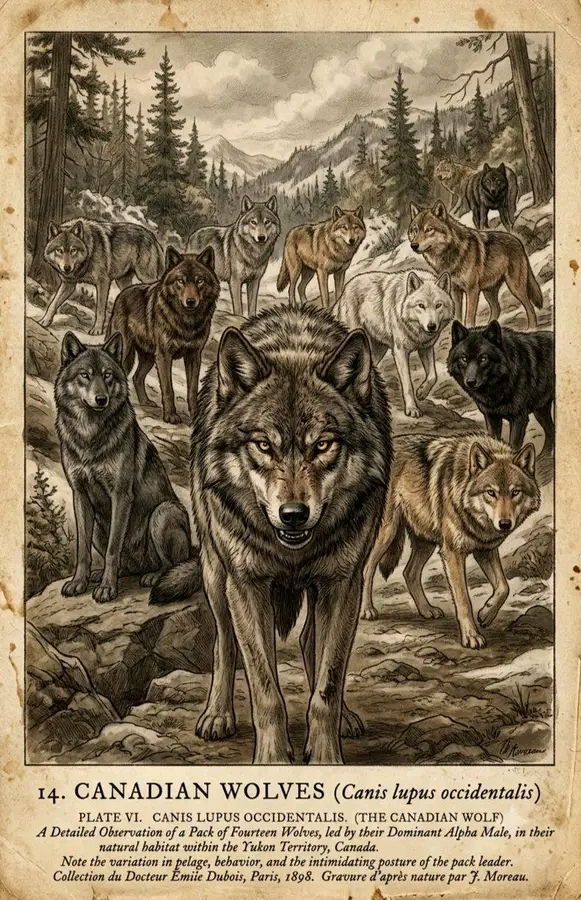
في أواخر القرن العشرين وبالتحديد في عام ألف وتسعمئة وخمسة وتسعين شهد متنزه يلوستون الوطني تجربة بيئية فريدة أثبتت كيف يمكن لصانع صياد صغير أن يغير وجه الطبيعة بالكامل، حيث كان المتنزه يعاني لستة عقود متواصلة من غياب الذئاب بعد أن تم القضاء عليها بالكامل في عشرينيات القرن الماضي مما أدى إلى تضاعف أعداد أيائل الألكة بشكل غير مضبوط وتحولها إلى سيد المكان بلا منافس، فرعت ضفاف الأنهار بشراهة والتهمت الأشجار الشابة مثل الصفصاف والحور حتى تعرت التربة وبدأت ضفاف الأنهار تتآكل وتتغير معالمها وهاجرت الطيور والقنادس لغياب الغطاء النباتي والمواد اللازمة لبناء السدود، وحين أُعيد إطلاق أربعة عشر ذئباً كنداياً في المتنزه في ذلك العام لم تكن النتيجة مجرد انخفاض في أعداد الأيائل بل حدث ما يسمى بجغرافيا الخوف التي أجبرت الأيائل على التحرك المستمر وتجنب الوديان والمناطق المفتوحة خوفاً من الوقوع في الكمائن، وهذا التغير السلوكي البسيط منح الطبيعة فرصة للتنفس فبدأت الأشجار بالنمو مجدداً واستعادت ضفاف الأنهار خضرتها وقوتها ومع نمو الأشجار عادت القنادس لبناء سدودها المائية التي أوجدت بيئات جيدة للأسماك والبرمائيات وفتحت المجال لعودة الطيور المهاجرة، كما تسببت جذور الأشجار المستعادة في تثبيت التربة مما جعل مجاري الأنهار أكثر استقراراً وانضباطاً في مساراتها، ورغم أن العلوم البيئية تؤكد اليوم أن العملية استغرقت عقوداً وشاركت فيها عوامل أخرى مثل التغيرات المناخية ووجود المفترسات الأخرى كالدببة إلا أن إعادة الذئاب بقيت الشرارة الأولى التي أعادت نبض الحياة إلى يلوستون وأثبتت أن التوازن الطبيعي يعتمد على أجزاء متكاملة لا يمكن الاستغناء عن أي منها.
In the late twentieth century, specifically in 1995, Yellowstone National Park witnessed a unique ecological experiment that proved how a single predator could entirely reshape the face of nature. For six consecutive decades, the park had suffered from the absence of wolves after they were completely eradicated in the 1920s, which led to an unchecked explosion in the elk population, turning them into the unchallenged masters of the land. They grazed ravenously along riverbanks, devouring young trees such as willows and cottonwoods until the soil was left exposed, riverbanks began to erode and alter their course, and birds and beavers migrated away due to the lack of vegetation and materials needed to build dams.
When fourteen Canadian wolves were reintroduced to the park that year, the result was not merely a reduction in elk numbers; rather, it triggered a phenomenon known as the “landscape of fear.” This forced the elk to keep moving constantly and avoid valleys and open areas for fear of being ambushed. This simple behavioral shift gave nature room to breathe: trees began to grow once more, and riverbanks regained their lushness and stability. With the growth of the trees, beavers returned to construct their aquatic dams, creating ideal habitats for fish and amphibians and paving the way for the return of migratory birds. Furthermore, the roots of the recovered trees bound the soil, making river courses more stable and controlled in their paths.
Although environmental science today confirms that this process took decades and involved other factors—such as climate change and the presence of other predators like bears—the reintroduction of wolves remained the initial spark that brought vitality back to Yellowstone, proving that natural balance relies on interconnected parts, none of which can be spared.
#ارت ديسيكن#مجلة تيليت فوتو ترت..