🧱 “النامورة”… الاسم الذي نردده في جبالنا دون أن ندرك أنه يوثق هندسة “المصيدة الصخرية الأخيرة”!
جبال الحيلونة تفتح دفاترها مجدداً.
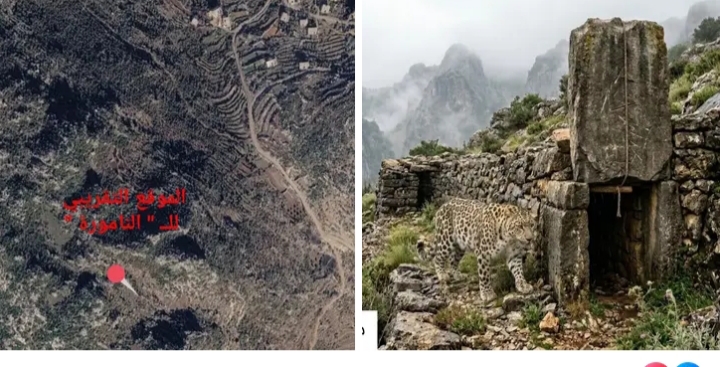
إذا كانت “جوبة النمر” هي المأوى الحصين والملجأ السري لهذا الشبح البري المنقرض وظيفياً، فإن أرض “النامورة” التي تبعد عنها مسافة ٢ كم خط نظر فقط، كانت هي المسرح الميداني الذي شهد معارك الصيد الكبرى وحسم صراع البقاء بين البشر والضواري.
📜 ما هي “النامورة”؟
في القاموس البيئي والتراثي لأهالي جبال الساحل وسوريا قديماً، “النامورة” ليست مجرد اسم عابر، بل هي الاسم التراثي التاريخي لـ “مصيدة النمور الصخرية”.
🔸 لغوياً: الاسم مشتق مباشرة من جذر (ن م ر)، والنامورة أو “النامرة” تُطلق تاريخياً في جبال بلاد الشام على القناة أو البناء الصخري المخصص لاصطياد الضواري، وتحديداً النمر السوري.
🔸 الهندسة الفينيقية القديمة: توثق الأبحاث التاريخية أن “النامورة” هي تقنية صيد متوارثة في جبالنا منذ زمن الفينيقيين. كانت تبنى بالكامل من الصخور المحلية كشق أو قناة ضيقة بطول يتراوح بين مترين إلى ثلاثة أمتار، وتُسقف ببلاطات صخرية ضخمة لإيهام النمر بأنها مغارة طبيعية أو شق صخري آمن ليدخل إليه.
⚔️ كيف كانت تدار المعركة هناك؟
كان أهالي القرى (لحماية قطعان الماعز والمواشي) يتركون جهة واحدة أو جهتين متقابلتين مفتوحتين في هذا البناء الصخري (النامورة)، ويضعون في نهايته طعماً من اللحم (غالباً قطعة من الماعز).
🔸 لحظة الإطباق: تم تصميم النامورة الصخرية ببوابة خشبية أو صخرية تنزلق هبوطاً فور قيام النمر بسحب الطعم بالداخل، مما يؤدي لحبسه في مكان ضيق جداً لا يستطيع فيه الالتفاف أو استخدام مخالبه، فيأتي الصيادون ويقضون عليه.
🎯 الأسرار والكواليس حول “نوع الطعوم”
النمور السورية بطبيعتها كائنات حذرة جداً ولا تأكل الجيف الميتة العفنة؛ بل تفضل الفرائس الطازجة. لذلك، كانت الطعوم تُختار بعناية فائقة وتُهندس داخل النامورة كالتالي:
🔸 الطعم الحي والمتحرك: كان الطعم المفضل للأجداد هو (جدي ماعز حي، أو خروف صغير). يتم ربطه في نهاية النفق السحيق للنامورة. صوت ثغاء الجدي وصداه داخل النفق الصخري كان بمثابة المغناطيس السمعي الذي يستفز غريزة النمر من مسافات بعيدة ويقوده مباشرة إلى مدخل الفخ.
🔸 تثبيت “الزناد الصخري” (The Trigger): الحبل الممسك بالبلاطة الثقيلة عند المدخل، يتم ربطه بطريقة ذكية بـ “الطعم” في الداخل. عندما يدخل النمر وينقض على الجدي أو يسحب قطعة اللحم الطازجة بقوة، يتحرك الزناد الصخري ويفلت الحبل، لتهبط البلاطة الضخمة فوراً بفعل الجاذبية وتغلق المخرج تماماً.
🔸 مكان ضيق لمنع المناورة: كان العرض الداخلي للنامورة يُصمم ليكون ضيقاً جداً (أقل من عرض جسد النمر الملتف)، بحيث إذا سقطت البوابة خلفه، لا يستطيع النمر الالتفات أو الدوران للخلف ليضرب الصخور بمخالبه، بل يظل محشوراً وموجهاً برأسه نحو الداخل حتى يصل الصيادون.
📅 التوقيت التاريخي: هل كانت عمليات الصيد في العهود القديمة أم بعد ١٩٠٠؟
التاريخ يوثق أن عمليات الصيد باستخدام “النامورة” جرت في العهدين معاً، ولكن بأهداف ودوافع مختلفة تماماً:
🔸 في العهود القديمة (صراع البقاء والحماية): قبل عام ١٩٠٠، كان استخدام النامورة الصخرية يتم من قبل القبائل وسكان الجبال القدامى بدافع الدفاع عن النفس وحماية قطعان الماشية التي كانت رأس مالهم الوحيد. كان النمر يسكن بكثافة عالية في “الجوبات” الصخرية الوعرة والمستنقعات القريبة، فكانت النامورة وسيلتهم الوحيدة لتحجيم خطره دون مواجهة مباشرة قد تنهي حياة الصياد.
🔸 في العهود ما بعد ١٩٠٠ (عصر رصاصة الإبادة): بعد عام ١٩٠٠، ومع دخول القرن العشرين، تحول الصيد من “حماية ومواجهة تراثية بالنامورة” إلى صيد جائر وإبادة باستخدام الأسلحة النارية الحديثة وبنادق البارود .
📌 المصدر الأكاديمي الدولي لـ “مصائد النمور الحجرية”:
الأبحاث الصادرة في مجلة الأبحاث الأثرية والبيئية الدولية (Antiquity) ومنصة العلوم الشهيرة LiveScience، والتي قامت بتحليل ميكانيكية مصائد النمور الحجرية المتطابقة (Stone Box Traps / Leopard Stone Traps) وهندسة البوابات المنزلقة (Slab Doors) في منطقة بلاد الشام والمشرق العربي.
📸 الصور:
🔸 صورة المصيدة والنمر: تخيلية تم توليدها بالذكاء الاصطناعي.
🔸 صورة من Google Earth للنامورة.
🌿 النامورة… ليست مجرد اسم، بل هندسة صيد، وذاكرة شعبية، وشاهد على صراع البقاء بين الإنسان والضواري في جبالنا.
📸 من عدسة Syrian Wild Lens
❓ هل سمعتم بـ”النامورة” من قبل؟ وهل تعرفون أسماء أماكن أخرى تحمل ذكرى النمر؟ شاركونا… فالحكاية لم تنتهِ بعد. 🐆🌿
🚀 الرحلة مستمرة… إذا كنت تعشق أسرار السماء وتراث الأرض، اضغط على زر “متابعة” لتكون معنا في التوثيق القادم لـ Syrian Wild Lens. 🌿📸
🧱 “Al-Namoura”… The Name We Repeat in Our Mountains Without Realizing It Documents the Engineering of “The Last Stone Trap”!
The mountains of Al-Helouneh open their notebooks once again.
If “Jawbat Al-Nimr” is the fortified refuge and secret sanctuary of this functionally extinct wild ghost, then the land of “Al-Namoura”, just 2 km away, was the field stage that witnessed the great hunting battles and decided the struggle for survival between humans and predators.
📜 What Is “Al-Namoura”?
In the environmental and heritage dictionary of the people of the Syrian coastal mountains, “Al-Namoura” is not just a passing name, but the historical heritage name for “The Stone Leopard Trap”.
🔸 Linguistically: The name is derived directly from the root (N-M-R), and Al-Namoura or “Al-Namra” is historically used in the Levantine mountains for the channel or stone structure dedicated to hunting predators, specifically the Syrian Leopard.
🔸 Ancient Phoenician Engineering: Historical research documents that “Al-Namoura” is a hunting technique inherited in our mountains since Phoenician times. It was built entirely from local rocks as a narrow channel or trench ranging between two to three meters in length, and roofed with massive stone slabs to deceive the leopard into thinking it was a natural cave or safe rock crevice to enter.
⚔️ How Was the Battle Managed There?
The villagers (to protect their goat and livestock herds) would leave one or two opposite sides open in this stone structure (Al-Namoura), and place bait of meat (often a piece of goat) at its end.
🔸 The Moment of Closure: Al-Namoura was designed with a wooden or stone gate that slides down as soon as the leopard pulls the bait inside, trapping it in a very narrow space where it cannot turn or use its claws, and then the hunters come and finish it off.
🎯 Secrets and Behind the Scenes of “Bait Types”
Syrian leopards are naturally very cautious creatures and do not eat rotten carrion; they prefer fresh prey. Therefore, baits were carefully chosen and engineered inside Al-Namoura as follows:
🔸 Live and Moving Bait: The preferred bait of the ancestors was (a live goat kid, or a small lamb). It is tied at the end of the deep tunnel of Al-Namoura. The sound of the kid bleating and its echo inside the stone tunnel was like a sonic magnet that provokes the leopard’s instinct from far distances and leads it directly to the trap entrance.
🔸 Setting the “Stone Trigger”: The rope holding the heavy slab at the entrance is tied cleverly to the “bait” inside. When the leopard enters and pounces on the kid or pulls the fresh meat forcefully, the stone trigger moves and the rope releases, causing the massive slab to fall immediately by gravity and close the exit completely.
🔸 Narrow Space to Prevent Maneuvering: The internal width of Al-Namoura was designed to be very narrow (less than the width of the leopard’s coiled body), so if the gate falls behind it, the leopard cannot turn or rotate backward to strike the rocks with its claws, but remains trapped and directed with its head inward until the hunters arrive.
📅 Historical Timing: Were Hunting Operations in Ancient Times or After 1900?
History documents that hunting operations using “Al-Namoura” took place in both eras, but with completely different goals and motives:
🔸 In Ancient Times (Struggle for Survival and Protection): Before 1900, the use of the stone Al-Namoura was by tribes and ancient mountain dwellers for self-defense and protecting livestock herds, which were their only capital. The leopard lived in high density in the rugged stone hollows and nearby marshes, so Al-Namoura was their only means to curb its danger without direct confrontation that could end the hunter’s life.
🔸 In the Eras After 1900 (The Era of the Extermination Bullet): After 1900, with the entry of the twentieth century, hunting transformed from “protection and heritage confrontation with Al-Namoura” to rampant hunting and extermination using modern firearms, gunpowder rifles .
📌 International Academic Source for “Stone Leopard Traps”:
Research published in the international archaeological and environmental research journal (Antiquity) and the famous science platform LiveScience, which analyzed the mechanics of matching stone leopard traps (Stone Box Traps / Leopard Stone Traps) and the engineering of sliding gates (Slab Doors) in the Levant and Arab East region.
📸 Photos:
🔸 Image of the trap and leopard: Illustrative, generated by AI.
🔸 Photo from Google Earth of Al-Namoura.
🌿 Al-Namoura… is not just a name, but hunting engineering, folk memory, and a witness to the struggle for survival between humans and predators in our mountains.
📸 Through the lens of Syrian Wild Lens
❓ Have you heard of “Al-Namoura” before? Do you know other place names that carry the memory of the leopard? Share with us… for the tale is not over yet. 🐆🌿
🚀 The journey continues… If you love the secrets of the sky and the heritage of the land, hit “Follow” to join us in the next documentation by Syrian Wild Lens. 🌿📸
#النامورة #جوبة_النمر #الحيلونة #مصياف #النمر_السوري #المصيدة_الصخرية #الهندسة_الفينيقية #التراث_البيئي #الانقراض #الصيد_التقليدي #SyrianWildLens #AlNamoura #JawbatAlNimr #AlHelouneh #Misyaf #SyrianLeopard #StoneTrap #PhoenicianEngineering #EnvironmentalHeritage #Extinction #TraditionalHunting #SyrianHistory #LevantHeritage #WildlifeConservation #MiddleEastHistoryمجلة ايليت فوتو ارت.