حياة تولستوي: الأسطورة مقابل الواقع
أتمنى لكم قراءة ممتعة. بقلم: جيني حسين علي
~
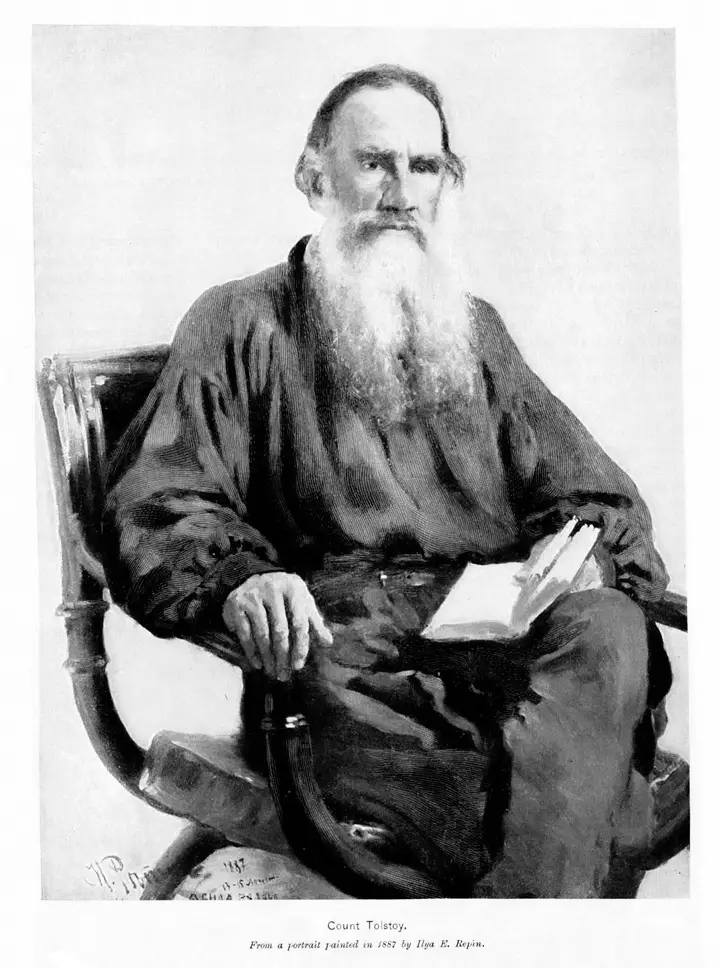
إن الصورة الشائعة لحياة ليو تولستوي التي تروج لها وسائل التواصل الاجتماعي —تلك الرواية الرومانسية التي تصوره كأرستقراطي تخلى فجأة عن ثروته الطائلة، وارتدى ملابس الفلاحين، وهام في الأرض كالزاهد القديس— هي صورة مبالغ فيها للغاية. ففي الواقع، لا تنطبق صورة “الزاهد الهائم” على تولستوي إلا في الأيام الأربعة الأخيرة من حياته.
ولاستجلاء الحقيقة التاريخية، ينبغي لنا الرجوع إلى السير الذاتية الاستثنائية التي نالت إشادة عالمية، والتي صاغها مؤرخون بارزون وكُتّاب سِيَر أدبية مرموقون. ومن أبرز هذه الأعمال: السيرة الذاتية المرجعية التي كتبها هنري ترويا بعنوان “تولستوي” (1965)، و”يوميات صوفيا تولستوي”، والفيلم الدرامي الذي يتناول سيرته الذاتية “المحطة الأخيرة” (The Last Station) الصادر عام 2009.
بحلول أواخر سبعينيات القرن التاسع عشر، ورغم كونه أحد أكثر المؤلفين شهرةً وثراءً وتبجيلاً في العالم — إذ كان قد أنجز بالفعل روائع أعماله مثل “الحرب والسلم” و”آنا كارينينا” — وقع تولستوي فريسةً لاكتئابٍ مفاجئ ومُنهِك. وقد فصّل بدقةٍ متناهية الجوانب المؤلمة لهذا الانهيار النفسي في مذكراته التي نُشرت عام 1882 تحت عنوان “اعتراف”.
عندما دوّن تولستوي “اعتراف”، لم يكن هدفه الأساسي تبنّي نمط حياة الزاهد الجوّال؛ بل كان همه المباشر هو النجاة من أزمةٍ روحية عاصفة، والعثور على سببٍ جوهري لمواصلة العيش. أما الحقيقة التاريخية الفعلية فهي أكثر تعقيداً ومأساويةً وطابعاً إنسانياً عميقاً.
الأسطورة مقابل الواقع
كان تولستوي يرغب بشدة في التخلي عن ثروته، والتنازل عن لقبه الأرستقراطي، والتخلي عن حقوق النشر الخاصة بكتبه الشهيرة. لكنه لم يكن راهباً منعزلاً؛ فقد كانت لديه زوجة، صوفيا، وثلاثة عشر ابناً.
عندما حاول التنازل عن ممتلكاته، ثارت ثائرة عائلته تماماً؛ إذ أوضحت صوفيا (في مذكراتها) أن عليه واجباً أخلاقياً يتمثل في إعالة أبنائه. ولتجنب تمزيق شمل عائلته، لجأ تولستوي إلى حل وسط: حيث نقل قانونياً ملكية ضيعته بأكملها (ياسنايا بوليانا) وثروته إلى زوجته وأبنائه.
حتى أسابيعه الأخيرة، ظل أشهر ناقد للثروة في العالم يعيش في قصر فخم، ويتناول وجبات نباتية فاخرة يُعدها خدم الأسرة، بينما كان يرتدي قمصان الفلاحين التي كان يُفصّلها خصيصاً لنفسه. وكان يشعر بأنه منافق تماماً في كل يوم من أيام حياته.
التضحية الحقيقية:
المجال الذي نجح فيه تولستوي فعلاً في التخلي عن الثروة كان نتاجه الأدبي. ففي تسعينيات القرن التاسع عشر، ورغم المعارضة الشديدة من زوجته، تنازل قانونياً عن حقوق النشر لجميع أعماله الأدبية التي كتبها بعد تحوله الفكري؛ مما أتاح لأي شخص نشر كتبه الجديدة مجاناً. وقد كلف هذا القرار عائلته ثروة طائلة وتسبب في عقود من المشاحنات والصراخ داخل المنزل.
الحقيقة الدرامية لـ “سنواته الأخيرة”
إن صورة تولستوي بصفته “زاهداً هائماً على وجهه” لا تنطبق في الواقع إلا على الأيام الأربعة الأخيرة من حياته.
بحلول عام 1910، كان تولستوي قد بلغ الثانية والثمانين من عمره. كانت الأجواء في منزله قد أصبحت خانقة ومسمومة؛ إذ كانت زوجته تعيش في رعب دائم من أن يقوم سراً بالتنازل عن بقية أمواله، ولذا كانت تفتش في مذكراته وتتجسس عليه. شعر تولستوي بالاختناق وبموت روحه؛ فهو يعيش في رفهٍ وبذخ بينما يدعو إلى الزهد والفقر.
في ليلة قارسة البرودة من ليالي 28 أكتوبر 1910، بلغ تولستوي مرحلة لم يعد يحتمل فيها الوضع؛ فحزم حقيبة صغيرة، وتسلل خارجاً من قصره في الظلام، وهرب نحو ليل الشتاء. كان هدفه العثور على مكان هادئ يقضي فيه بقية أيامه كفلاح بسيط ومغمور.
لم يبتعد كثيراً؛ فبسبب البرد القارس وتقدمه في السن وضعف بنيته، أصيب بالتهاب رئوي حاد أثناء وجوده في القطار. اضطروا لإنزاله من القطار في محطة سكة حديد نائية تُدعى “أستابوفو”. وقد بادر ناظر المحطة بلطف بمنح سريره الصغير والمتواضع للأديب الذي كان يلفظ أنفاسه الأخيرة.
تكمن المفارقة الكبرى في وفاته في أنه كان ينشد خصوصيةً مطلقة وزهداً تاماً، لكنه نال النقيض تماماً؛ ففي غضون ساعات من وعكته الصحية، عرفت الصحافة العالمية بمكانه.
حاصرت محطة القطار الصغيرة حشودٌ ضمت صحفيين ومصورين وطواقم تصوير سينمائي وجواسيس من الشرطة السرية وجموعاً باكية، وكانت تُرسل برقياتٌ حول درجة حرارته إلى جميع أنحاء العالم كل ساعة. وفي النهاية، فارق الحياة داخل غرفة ناظر المحطة في 20 نوفمبر 1910، محاطاً بذلك الضجيج الدنيوي الذي قضى ثلاثين عاماً يحاول الفرار منه.
تولستوي الحقيقي لم يكن قديساً منزهاً عن الخطأ تخلى عن العالم بسهولة، بل كان رجلاً يعاني صراعاً داخلياً مريراً، وقضى ثلاثين عاماً عالقاً بين واقع عائلته المنتمي لطبقة النخبة وبين المبادئ الزاهدة والجذرية التي يمليها عليه ضميره.
التحرير والترجمة #جينيحسينعلي
The Life of Tolstoy: Myth vs. Reality
I hope you enjoy the read. By: Jenny Hussien Ali
~
The portrayal of Leo Tolstoy’s life frequently popularized on social media—a romanticized narrative depicting him as an aristocrat who abruptly surrendered his immense fortune, donned peasant garb, and wandered the earth like a saint—is highly exaggerated. In truth, the image of Tolstoy as a “wandering ascetic” applies only to the final four days of his life.
To uncover the historical reality, we must look to the extraordinary and internationally acclaimed biographies crafted by prominent historians and distinguished literary biographers. Notable among these are Henri Troyat’s seminal biography Tolstoy (1965), The Diaries of Sophia Tolstoy, and the 2009 biographical drama film The Last Station.
By the late 1870s, despite being one of the world’s most celebrated, wealthy, and revered authors—having already completed his masterpieces War and Peace and Anna Karenina—Tolstoy fell prey to a sudden, debilitating depression. He meticulously detailed the painful nuances of this psychological collapse in his 1882 autobiographical memoir, A Confession.
When Tolstoy penned A Confession, his primary objective was not to adopt the lifestyle of a wandering ascetic; rather, his immediate concern was to survive a tumultuous spiritual crisis and discover a fundamental reason to continue living. The actual historical truth is far more complex, tragic, and profoundly human.
Myth vs. Reality
Tolstoy possessed a fervent desire to renounce his wealth, relinquish his aristocratic title, and surrender the copyrights to his famous literary works. However, he was not a solitary monk; he was a husband to Sophia and a father to thirteen children.
When he attempted to legally divest himself of his property, his family revolted. Sophia made it explicitly clear in her diaries that he bore a moral obligation to provide for his children. To prevent the dissolution of his family, Tolstoy arrived at a compromise: he legally transferred ownership of his entire estate, Yasnaya Polyana, and his fortune to his wife and children.
Consequently, until his final weeks, the world’s most famous critic of wealth continued to reside in a grand mansion, dining on luxurious vegetarian meals prepared by estate servants, all while wearing custom-tailored peasant shirts. He felt entirely hypocritical every single day of his life.
The True Sacrifice
The one domain where Tolstoy successfully renounced his wealth was his literary output. In the 1890s, despite fierce opposition from his wife, he legally waived the copyrights to all literary works written after his spiritual conversion. This action permitted anyone to publish his new texts free of charge. This monumental decision cost his family an immense fortune and incited decades of domestic strife and bitter arguments.
The Dramatic Reality of His “Final Years”
The image of Tolstoy as a “wandering ascetic” truly applies only to the last four days of his life.
By 1910, Tolstoy had reached the age of eighty-two.
The atmosphere within his home had grown suffocating and toxic. Living in perpetual terror that her husband would secretly sign away the remainder of his assets, Sophia routinely ransacked his diaries and spied on his movements. Tolstoy felt spiritually suffocated; he was living in absolute opulence while preaching asceticism and poverty.
On the bitterly cold night of October 28, 1910, Tolstoy reached a breaking point. Packing a small bag, he slipped out of his mansion under the cover of darkness and fled into the winter night. His ultimate goal was to find a secluded sanctuary where he could live out his remaining days as an obscure, simple peasant.
He did not travel far. Due to the severe cold, his advanced age, and his frail constitution, he contracted acute pneumonia while on the train. Attendants were forced to remove him from the carriage at a remote railway station called Astapovo. The stationmaster kindly offered his own modest bed to the dying literary titan.
The profound irony of Tolstoy’s death lies in the fact that while he sought absolute privacy and complete ascetic isolation, he achieved the exact opposite. Within hours of his illness, the global press discovered his whereabouts.
The small station was swiftly besieged by crowds of journalists, photographers, cinematographers, secret police spies, and weeping mourners. Hourly telegraphic updates regarding his body temperature were broadcast worldwide. Ultimately, on November 20, 1910, he passed away inside the stationmaster’s quarters, enveloped by the very worldly clamor he had spent thirty years trying to escape.
The authentic Tolstoy was not an infallible saint who effortlessly abandoned the material world. Rather, he was a man torn apart by a bitter internal conflict—a man trapped for three decades between the elite socioeconomic reality of his family and the radical, ascetic principles dictated by his conscience.
Editing and translation by #jenny_hussien_aliمجلة ايليت فوتو ارت.
.