🔴 الهولندي آري شيفر (Ary Scheffer) يرسم النساء وكأنهنّ يعرفن نهاية القصة قبل أن تبدأ، ثم يتركهنّ في صمت لا ينكسره حتى الضوء. وُلد في دوردريخت عام 1795، لكنه عاش حياة الغريب في باريس، حيث انتقل مع والدته بعد وفاة والده، ولم يتحدث الفرنسية بطلاقة، ولم يعرف أحداً. هذا الشعور بالغربة لم يفارقه أبداً، وظل يظهر في كل لوحة رسمها، حتى عندما أصبح واحداً من أشهر رسامي عصره، وصديقاً للملوك والأمراء.
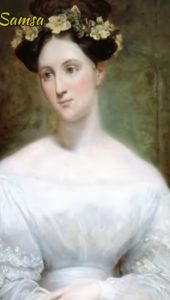
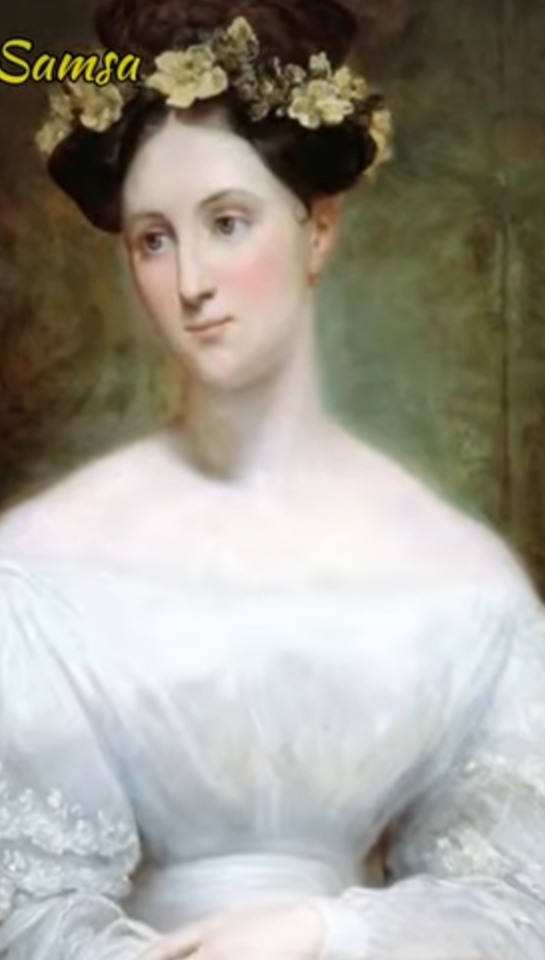
كان شيفر مأخوذًا بالحزن. لم يرسم النساء لأنهنّ جميلات، بل لأنه كان يرى فيهنّ شيئاً مكسوراً، شيئاً ينتظر، شيئاً لا يستطيع أن يقوله. في لوحته التي تظهر امرأة ترتدي ثوباً أبيض وتنظر إلى الأعلى، لا يرسم مجرد وجه، بل يرسم لحظة استسلام. العيون تنظر إلى شيء خارج اللوحة، واليد ترتاح على الوجنتين، وكأنها تحمل ثقل العالم وحده. كان يرى أن الألم هو الشيء الوحيد الذي يجمع البشر، وأن الجمال الحقيقي ليس في الابتسامة، بل في القدرة على تحمل الحزن دون أن تنكسر.
طقسه في الرسم كان يشبه طقس المتصوف: يبدأ بالخلفية، ثم يبني الوجه بطبقات رقيقة، ويعيد لمس العين مرات كثيرة حتى تصبح كأنها تتنفس. كان يستخدم فرشاة صغيرة، ويضع اللون بحذر، وكأنه يخاف أن يخدش الوجه الذي يرسمه. كان يستخدم ألواناً هادئة، رمادية وزرقاء باهتة، ويترك الإضاءة طبيعية، لأن الضوء الاصطناعي يقتل الصدق.
أما غرامه، فكان مرتبطاً بالأدب والدين معاً. أحبّ دانتي، وفرانسيسكان، وفاوست، ورسم مشاهدهم مراراً. وكانت زوجته الأولى قد ماتت، ثم مات أطفاله، فصار يبحث عنهم في اللوحات، ويرسم الملائكة وهي تحمل الأطفال إلى السماء، وكأنه يريد أن يطمئن أنه سيراهم مرة أخرى.
في سنواته الأخيرة، صار شيفر شخصية مرموقة في باريس، لكن كل هذا المجد لم يشفه. مات عام 1858، وحيداً نسبياً، تاركاً خلفه مئات اللوحات، لكنه لم يترك سيرة ذاتية، وكأنه أراد أن يبقى لغزاً حتى بعد الموت. والسؤال الذي يبقى: هل رسم شيفر الوجوه الحزينة لأنه كان يبحث عن عزاء، أم لأنه أدرك أن الحزن وحده هو ما يمكن أن يُرسم بصدق؟
Dutch Ary Scheffer painted women as if they knew the end of the story before it began, then left them in a silence not even light could break. Born in Dordrecht in 1795, he lived the life of a stranger in Paris, moving there with his mother after his father’s death, not speaking French fluently, knowing no one. This feeling of alienation never left him, appearing in every painting he made, even when he became one of the most famous painters of his era and a friend to kings and princes.
Scheffer was captivated by sorrow. He did not paint women because they were beautiful, but because he saw in them something broken, something waiting, something he could not express. In his painting showing a woman in a white dress looking upward, he does not paint just a face, but a moment of surrender. The eyes look at something beyond the canvas, and the hand rests on the cheek, as if carrying the weight of the world alone. He believed pain is the only thing uniting humans, and true beauty lies not in a smile, but in the ability to bear sorrow without breaking.
His painting ritual resembled that of a mystic: he began with the background, built the face in thin layers, and retouched the eye many times until it seemed to breathe. He used a small brush, applying color cautiously, as if afraid to scratch the face he was painting. He used calm colors, grays and pale blues, letting natural light, because artificial light kills honesty.
His passion was tied to literature and religion together. He loved Dante, Franciscan, and Faust, painting their scenes repeatedly. His first wife had died, then his children, and he began searching for them in paintings, depicting angels carrying children to heaven, as if wanting reassurance he would see them again.
In his final years, Scheffer became a prominent figure in Paris, but all this glory did not heal him. He died in 1858, relatively alone, leaving behind hundreds of paintings, but no autobiography, as if wanting to remain an enigma even after death. The question remains: Did Scheffer paint sorrowful faces because he was searching for consolation, or because he realized sorrow alone can be painted truthfully?
#الفن والنقد التشكيلي#مجلة ايليت فوتو ارت.